Isaac Asimov
Standalone Works
Standalone Works is a series by Isaac Asimov, started in 1939 with 204 books. If you want to read Isaac Asimov's work in order, here are all the books in this series listed chronologically.
Standalone Works
204 Books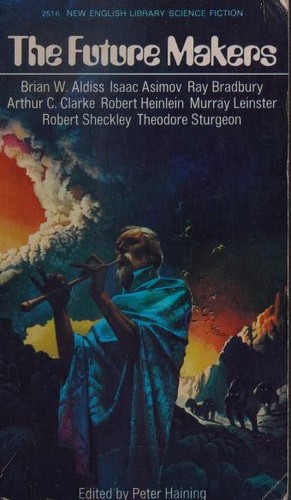






...And Now You Don't
Second Foundation is the third novel of the Foundation Trilogy, the third published of the Foundation Series by the American writer Isaac Asimov, and the fifth in the in-universe chronology. It was first published in 1953 by Gnome Press.

Darwinian Pool Room
You discover 'Darwinian Pool Room,' an Isaac Asimov novel from 1950. This work introduces you to a narrative that explores concepts with a distinctive touch from the author. It invites you to observe the themes presented through Asimov's lens.

The Little Man on the Subway
You discover 'The Little Man on the Subway,' an Isaac Asimov novel from 1950. This work introduces you to a narrative that explores everyday situations with a distinctive touch. It invites you to observe the details of urban life through the author's lens.

Day of the Hunters
In Isaac Asimov's "Day of the Hunters," you are transported to a speculative narrative where survival is paramount. This novel plunges you into a suspenseful scenario with unseen forces at play. You will experience a tense exploration of conflict and pursuit.

Green Patches
You journey to a distant planet where a unique form of life thrives, characterized by its ability to adapt and spread. As human explorers encounter this alien ecosystem, you observe the challenges of understanding and coexisting with truly foreign biology. You will contemplate the delicate balance of life across the galaxy.

Legal Rites
You are introduced to a unique legal challenge involving an unusual client. As the complexities of the case unfold, you delve into the intricacies of legal systems applied to unforeseen circumstances. You will consider the boundaries of justice and what constitutes a right in a world of evolving possibilities.

The Fun They Had
Isaac Asimov's 1951 novel, *The Fun They Had*, invites you to reflect on pastimes and enjoyment. You will encounter a narrative that explores the very concept of 'fun.' This story prompts consideration of how leisure and learning might evolve.

Breeds There a Man...?
Isaac Asimov's 1951 novel, "Breeds There a Man...?", invites you into a speculative narrative. You will explore a world where fundamental questions about humanity and existence are brought to the forefront. This work delves into the very essence of what it means to be human.
Shah Guido G.
Isaac Asimov's 1951 novel, "Shah Guido G.," presents a unique narrative exploring power dynamics and political intrigue. You will observe the complexities of leadership and the consequences of ambition. This story invites you to consider the nature of governance and control.

Hostess
Isaac Asimov's 1951 novel, "Hostess," presents a compelling scenario involving a mysterious visitor. You will explore the implications of an unknown presence and its impact on human society. This story delves into themes of xenophobia and the challenges of interspecies interaction.

In a Good Cause—
Isaac Asimov's 1951 novel, *In a Good Cause—*, prompts you to examine the motivations behind actions. You will encounter a narrative where individuals strive for what they believe is right. The story encourages reflection on the impact and consequences of such endeavors.

C-Chute
In Isaac Asimov's 1951 novel, "C-Chute," you are thrust into a tense situation aboard a spaceship. The narrative focuses on an unexpected crisis and the ingenuity required for survival. This story explores themes of resourcefulness and human adaptation in confined spaces.

What If—
In Isaac Asimov's 1952 novel "What If—," you are presented with speculative scenarios that challenge conventional thinking. This work explores alternate possibilities and their potential consequences. You will encounter narratives that prompt reflection on pivotal choices and their ripple effects. The story encourages you to ponder the myriad paths life could take.

Youth
Youth is the time of life when one is young. The word, youth, can also mean the time between childhood and adulthood (maturity), but it can also refer to one's peak, in terms of health or the period of life known as being a young adult. Youth is also defined as "the appearance, freshness, vigor, spirit, etc., characteristic of one, who is young".

The Martian Way
Isaac Asimov's novel transports you to a unique vision of Mars. You will encounter themes of human ingenuity and adaptation in an extraterrestrial setting. Explore the challenges and triumphs of life beyond Earth in this compelling narrative.
The Deep
Isaac Asimov's novel plunges you into a world of scientific exploration and mystery. You will encounter a narrative that delves into the unknown, challenging perceptions and uncovering hidden truths. Explore the depths of human curiosity and the vastness of discovery.

Flies
Isaac Asimov's "Flies" invites you into a speculative narrative from 1953. As a novel, it presents you with a unique premise to consider. You will encounter the author's distinctive approach to storytelling within this standalone work.

The Monkey's Finger
Explore 'The Monkey's Finger', a novel penned by Isaac Asimov in 1953. This work offers a distinct narrative from the science fiction writer. You can engage with this specific story from his output.

Button, Button
Discover 'Button, Button', a novel by Isaac Asimov from 1953. This work presents a specific narrative from the science fiction author. You can explore this story within his bibliography.

Nobody Here But—
Consider 'Nobody Here But—', a novel written by Isaac Asimov in 1953. This standalone work comes from the science fiction author. You can delve into this particular narrative from his bibliography.
Everest
You are transported to the formidable heights of the world's highest peak, where human ambition meets the raw power of nature. Discover the challenges and perils faced by those who dare to conquer such an extreme environment. This story invites you to contemplate the limits of human endeavor.
It's Such a Beautiful Day
Explore 'It's Such a Beautiful Day,' a novel by Isaac Asimov from 1954. This work offers you a singular narrative from Asimov's authorship. You can immerse yourself in a story presented as a standalone novel.

The Immortal Bard
Discover 'The Immortal Bard,' a novel by Isaac Asimov published in 1954. This work offers you a singular narrative from Asimov's authorship. You can immerse yourself in a story presented as a standalone novel.

The Pause
Explore 'The Pause,' a novel by Isaac Asimov from 1954. This work offers you a particular narrative from Asimov's authorship. Immerse yourself in a story presented as a standalone novel.

Let's Not
You are invited to explore 'Let's Not,' a novel by Isaac Asimov published in 1954. This work offers you a singular narrative from Asimov's authorship. Delve into a story presented as a standalone novel.

The End of Eternity
The End of Eternity is a 1955 science fiction novel by Isaac Asimov with mystery and thriller elements on the subjects of time travel and social engineering. Its ultimate premise is that of a causal loop, a type of temporal paradox in which events and their causes form a loop. The novel was shortlisted for the Hugo Award for Best Novel.

The Last Trump
Explore "The Last Trump," a novel by Isaac Asimov published in 1955. This story presents a speculative scenario concerning ultimate events. You will consider the implications of a final declaration or occurrence.
The Talking Stone
You will discover 'The Talking Stone,' a novel by Isaac Asimov from 1955. This standalone work invites you to explore the concepts suggested by its intriguing title. Prepare to engage with Asimov's imagination as presented in this particular piece.

Dreaming Is a Private Thing
Reflect on "Dreaming Is a Private Thing," a 1955 novel by Isaac Asimov. This work invites you to consider the personal and intimate nature of inner worlds. You will explore themes related to imagination and individual consciousness.

The Singing Bell
You are invited to read 'The Singing Bell,' a novel by Isaac Asimov, published in 1955. This singular work offers a glimpse into the author's narrative craft during that year. Prepare to explore the world evoked by its distinctive title.

Hemoglobin and the Universe
You will read 'Hemoglobin and the Universe,' a novel by Isaac Asimov, released in 1955. This work reflects Asimov's exploration of vast concepts within a narrative framework. Prepare to engage with the intriguing interplay suggested by its title.
The Martian Way and Other Stories
You will encounter 'The Martian Way and Other Stories,' a novel by Isaac Asimov from 1955. This novel offers various narratives from the author's imagination. Prepare to explore the different worlds and concepts contained within this volume.
Gimmicks Three
Explore inventive concepts and clever solutions within the pages of Isaac Asimov's "Gimmicks Three." You will encounter narratives that showcase ingenuity and problem-solving. This novel offers a glimpse into imaginative possibilities.
The Dying Night
Discover 'The Dying Night,' a 1956 novel by Isaac Asimov. This literary creation presents you with its unique narrative. You will encounter a work that reflects the author's style from that period.
The Watery Place
Immerse yourself in "The Watery Place," a novel by Isaac Asimov from 1956. This story transports you to an environment dominated by water. You will explore the unique challenges and mysteries presented by such a setting.

What's in a Name?
Isaac Asimov’s novel, "What's in a Name?," presents you with a narrative from 1956 that challenges your perceptions. As you read, you will delve into the questions posed by its intriguing title, guided by the author's distinctive voice. This work encourages you to ponder the significance of identity and labels within its story.

Hell-Fire
'Hell-Fire,' a 1956 novel by Isaac Asimov, awaits your discovery. This literary piece invites you to immerse yourself in its pages. You will encounter a noteworthy contribution from this author published in that year.

The Message
Discover "The Message," a novel penned by Isaac Asimov in 1956. This standalone work invites you to consider the nature of communication across time or space. You will encounter a narrative centered around a significant dispatch.

Living Space
Explore "Living Space," a 1956 novel by Isaac Asimov. This narrative focuses on the concept of habitation and the spaces we occupy. You will encounter perspectives on what it means to find or create a home.

Each an Explorer
Embark on a journey with "Each an Explorer," a novel by Isaac Asimov published in 1956. This work invites you to consider the spirit of discovery and individual quests. You will follow characters as they navigate unknown territories or ideas.

Insert Knob A In Hole B
"Insert Knob A in Hole B" is a science fiction short story by Isaac Asimov. The story was first published in the December 1957 issue of The Magazine of Fantasy and Science Fiction and reprinted in the 1969 collection Nightfall and Other Stories.

Building Blocks of the Universe
Uncover the fundamental components of our world with Isaac Asimov's "Building Blocks of the Universe." You will journey through the intricacies of matter and energy as explained through a narrative lens. This novel offers an accessible exploration of scientific principles.

I Just Make Them Up, See!
You are invited into a collection of imaginative tales that showcase a distinctive authorial voice. Explore various speculative scenarios and clever concepts designed to entertain and provoke thought. This work offers a glimpse into the creative process and the art of storytelling.

Blank!
You encounter a 1957 novel by Isaac Asimov titled "Blank!". This work invites you to contemplate the implications of emptiness or an undefined state. You are presented with a narrative that leaves room for interpretation, prompting reflection on what fills the void.

A Loint of Paw
Delve into this 1957 novel by Isaac Asimov. You will encounter a unique premise, characteristic of the author's inventive storytelling. The narrative invites you to consider an unusual point of view or a peculiar predicament. Explore the implications of "A Loint of Paw" within this imaginative work.

Strikebreaker
Engage with a compelling social dynamic in this 1957 novel by Isaac Asimov. You are presented with a scenario involving labor and societal roles. The narrative explores the complexities and consequences of individual actions within a collective struggle. Consider the implications of being a "Strikebreaker" in this thought-provoking work.

The Gentle Vultures
Encounter a unique perspective on interstellar relations in Isaac Asimov's 1957 novel. You are introduced to a species with an unusual approach to humanity. The narrative explores themes of first contact, understanding, and the potential for misinterpretation between civilizations. Discover the intriguing dynamics presented in "The Gentle Vultures."

Does a Bee Care?
Ponder intriguing questions about existence and nature with Isaac Asimov's "Does a Bee Care?" You will be led through a thought-provoking exploration of scientific concepts and their implications. This novel invites you to consider the intricacies of the natural world.

Only a Trillion
Delve into the vastness of the universe and its wonders with Isaac Asimov's "Only a Trillion." You will explore grand scientific ideas and their potential impact on humanity. This novel encourages you to imagine the scale of cosmic phenomena.
I'm in Marsport Without Hilda
Journey to Marsport in this 1957 novel by Isaac Asimov. You find yourself in an unfamiliar space, navigating circumstances without a key companion. The narrative explores the challenges and implications of this particular situation. Discover what unfolds when you are in Marsport without Hilda.

The Dust of Death
You delve into a mystery where a peculiar and dangerous substance poses a significant threat. Follow the investigation as characters race against time to understand and neutralize its effects. This narrative explores the challenges of scientific discovery and unforeseen dangers.

Silly Asses
Isaac Asimov's "Silly Asses" is a novel published in 1958. You will find a narrative characteristic of Asimov's science fiction. Consider how this work contributes to his broader literary output.

The Feeling of Power
Discover *The Feeling of Power*, a novel by Isaac Asimov, published in 1958. This work presents you with a thought-provoking scenario. You will consider the implications of its central concept as the story unfolds.

Buy Jupiter
Isaac Asimov's "Buy Jupiter" is a novel published in 1958. You will encounter a narrative characteristic of Asimov's science fiction. Consider the unique concepts and scenarios explored in this work.
Spell My Name with an S
You encounter a story where a seemingly simple request for a name's spelling reveals deeper complexities. Consider how identity and perception are shaped by linguistic nuances and personal histories. This narrative explores the subtle power of words and their interpretation.

The Ugly Little Boy
You are introduced to a unique experiment involving time travel and its unexpected ethical dilemmas. Observe the bond formed between a nurse and a Neanderthal child brought into the modern era. This story probes the nature of compassion and the consequences of scientific intervention across time.
The Up-To-Date Sorcerer
"The Up-To-Date Sorcerer" is a novel by Isaac Asimov, published in 1958. You are invited to explore a narrative that reflects Asimov's unique approach to storytelling. Consider the blend of science fiction elements within its pages.

Rain, Rain, Go Away
Isaac Asimov's 1959 novel presents a unique perspective on the familiar. You will encounter a story where everyday phenomena take on new significance. This narrative challenges your perceptions and invites contemplation on its central premise. Prepare for an intriguing exploration of the ordinary turning extraordinary.

Obituary
In Isaac Asimov's 1959 novel, Obituary, you are drawn into a narrative that explores the consequences of extraordinary circumstances. This story presents a unique premise that challenges your understanding of life and death. You will follow characters as they navigate the implications of an unusual event. The work prompts you to reflect on the nature of existence and the value of individual lives.

A Statue for Father
Isaac Asimov's 1959 novel, A Statue for Father, presents you with a poignant narrative centered on family dynamics and recognition. You will explore the complexities of a son's relationship with his father and the pursuit of legacy. The story invites you to consider the ways in which individuals seek to honor their past and shape their future. This work offers a reflective look at personal achievements and the desire for lasting remembrance.

Unto the Fourth Generation
In Isaac Asimov's 1959 novel, Unto the Fourth Generation, you will encounter a story that explores themes of lineage and inherited traits. The narrative delves into the long-term impacts of past decisions and their influence on future generations. You will follow characters as they grapple with the echoes of history and the weight of their heritage. This work prompts you to consider the intricate connections that bind families through time.
Nine Tomorrows
In Isaac Asimov's 1959 novel, Nine Tomorrows, you will journey through a collection of speculative narratives. This work presents various visions of the future, each exploring different facets of technological advancement and societal change. You will encounter characters grappling with the implications of scientific innovation and human nature. Prepare to consider the myriad possibilities that lie ahead, as imagined by a master of the genre.

What is This Thing Called Love?
Isaac Asimov's "What is This Thing Called Love?" invites you to explore a novel published in 1961. This work presents a narrative from a master of the genre. You will encounter a story that delves into its intriguing title.
Star Light
You are about to read "Star Light," a novel by Isaac Asimov from 1962. Prepare to explore a narrative from this celebrated author. Engage with the story as you journey through its pages.

Life and Energy
Explore fundamental concepts of existence and the forces that drive it. You will delve into the intricate relationship between living systems and the energy that sustains them. This book offers a perspective on the mechanics of life itself.

Fifty Short Science Fiction Tales
In Isaac Asimov's 1963 collection, "Fifty Short Science Fiction Tales", you are presented with a diverse array of speculative narratives. Each story offers a unique glimpse into possible futures and technological advancements. You will explore various concepts and scenarios crafted by a foundational author in the genre.

Asimov's Biographical Encyclopedia of Science and Technology
Delve into "Asimov's Biographical Encyclopedia of Science and Technology," a novel by Isaac Asimov from 1964. This work presents a unique blend of narrative and information. You will find specific details within its pages.

Author! Author!
Consider 'Author! Author!,' a novel by Isaac Asimov, released in 1964. This standalone work invites you into the mind of a prolific writer. You can explore a narrative that showcases his storytelling prowess outside his more famous series.

Five-Odd
Delve into 'Five-Odd,' a novel by Isaac Asimov, which saw its publication in 1964. This standalone work invites you to explore a facet of the author's diverse literary output. You can experience a narrative from a master of science fiction.

Founding Father
You are presented with *Founding Father*, a novel by Isaac Asimov. This work, published in 1965, invites you to explore the narrative landscape of its time. Delve into a story crafted by this notable author within the novelistic tradition.

Eyes Do More Than See
You are presented with *Eyes Do More Than See*, a novel by Isaac Asimov. This work, published in 1965, invites you to explore the narrative landscape of its time. Delve into a story crafted by this notable author within the novelistic tradition.
The Key
In Isaac Asimov's 1966 novel, 'The Key,' you will encounter a narrative centered around a fundamental element. This work invites you to delve into a story where a single aspect holds significant importance. Explore the implications and unravel the mysteries presented within its pages.
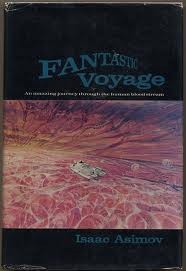
Fantastic Voyage
You are invited to explore a novel by Isaac Asimov, originally published in 1966. Prepare to engage with a narrative crafted by a prominent voice in science fiction. As you turn the pages, you will encounter the imaginative storytelling characteristic of his work. This novel offers a glimpse into a specific moment in literary history.

Understanding Physics
You can explore "Understanding Physics," a novel by Isaac Asimov. Released in 1966, this book invites you to delve into its pages. Prepare for a narrative that reflects Asimov's distinctive approach to storytelling.
Through a Glass, Clearly
You are presented with a future where technology allows for new ways of seeing and understanding. This narrative delves into the implications of enhanced perception and the challenges it brings. Explore how clarity, or the illusion of it, shapes human experience and discovery.
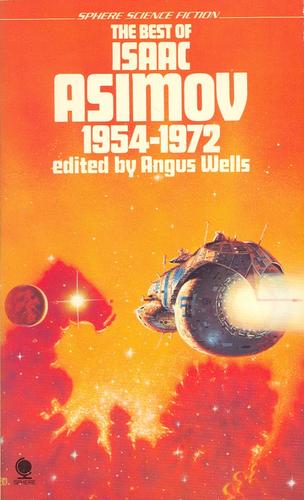
The Billiard Ball
You are presented with a novel from Isaac Asimov that explores the intriguing possibilities of science and human ingenuity. This story delves into a specific scientific concept, challenging your understanding of physics and its applications. You will follow characters as they grapple with the implications of a groundbreaking invention. Prepare for an intellectual exploration within a fictional framework.
Asimov's Mysteries
Isaac Asimov's 'Asimov's Mysteries' offers you a novel. This work compiles a series of intriguing puzzles and investigations. You will engage with various enigmatic situations, challenging your perception of logic and discovery.

Exile to Hell
Isaac Asimov's 'Exile to Hell' offers you a novel. This work explores a journey of banishment and its consequences. You will delve into a narrative that examines the challenges faced in a harsh, isolated environment.

The Proper Study
You will encounter "The Proper Study," a novel by Isaac Asimov, published in 1968. This work from a prolific science fiction and non-fiction author suggests an exploration of foundational concepts. You can anticipate a narrative that delves into intellectual inquiry and perhaps societal implications.

Up to the Fourth Generation
You can explore "Up to the Fourth Generation," a novel by Isaac Asimov, released in 1969. This work delves into concepts typical of science fiction. You are invited to consider the imaginative scenarios presented by the author. Reflect on its contribution to the genre from a prolific writer.

Opus 100
You are presented with "Opus 100," a novel by Isaac Asimov, published in 1969. This work celebrates a significant milestone in the author's career. You will explore a collection that reflects his extensive contributions to literature. Consider its historical significance as a landmark publication.

As Chemist to Chemist
Delve into the world of science and intellect with Isaac Asimov's "As Chemist to Chemist." This novel offers a narrative that explores intricate ideas and logical progressions. You will find a story rich with the thoughtful inquiry characteristic of its author.

Waterclap
Explore the depths of imagination and scientific speculation with Isaac Asimov's "Waterclap." This novel invites you to consider innovative concepts within a compelling narrative. You will encounter a story that reflects on the possibilities and challenges of advanced ideas.

Asimov's Guide to Shakespeare
You are invited to explore Isaac Asimov's unique perspective in his 1970 novel, *Asimov's Guide to Shakespeare*. This work offers you a novelistic approach to the world of Shakespeare. Prepare to delve into a distinctive interpretation by a renowned author.

Isaac Asimov's Treasury of Humor
Dive into "Isaac Asimov's Treasury of Humor," a novel compiled by Isaac Asimov in 1971. This work presents a collection centered around the theme of humor. You will encounter various facets of wit and comedic expression within its pages.
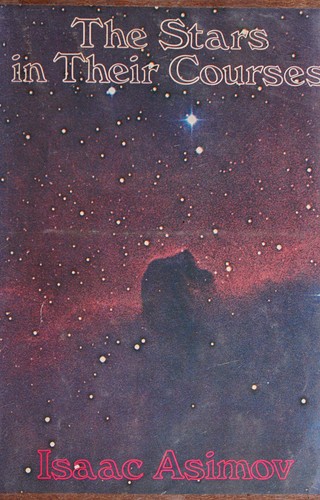
The Stars in their Courses
Journey through a future where humanity grapples with interstellar politics and scientific advancement. You will witness characters navigating complex societal structures and cosmic challenges. This novel prompts you to consider the destiny of civilization among the stars.

Kid Stuff
You are invited to read a novel by Isaac Asimov, a work whose title suggests a particular focus or theme. You will encounter a narrative shaped by the author's renowned imagination. Engage with the story presented in this 1972 publication.

The Greatest Asset
You are invited to read a novel by Isaac Asimov, a work whose title suggests a focus on value or importance. You will encounter a narrative shaped by the author's renowned imagination. Engage with the story presented in this 1972 publication.

Take a Match
Consider "Take a Match," a 1972 novel by Isaac Asimov. This work offers a standalone narrative from the prolific author. You are invited to explore a story that showcases Asimov's inventive storytelling. Discover the world and characters crafted within this particular novel.

Truth to Tell
You embark on a journey into the realm of science fiction and logical exploration. This novel presents a narrative where the pursuit of truth takes center stage, often intertwined with technological and ethical dilemmas. Prepare to consider the implications of knowledge and its revelations.

The Gods Themselves
You will explore a universe where humanity makes contact with an alien race from a parallel universe. This interaction brings forth both scientific breakthroughs and unforeseen dangers. Discover how the exchange of energy between dimensions threatens to unravel the fabric of reality for both civilizations. You will witness the complex choices made by scientists and politicians as they grapple with the consequences.

The Best of Isaac Asimov
You encounter 'The Best of Isaac Asimov,' a novel penned by Isaac Asimov. This work was originally published in 1973. Immerse yourself in the narrative crafted by this esteemed author. Explore the themes and characters presented within its pages.

Have You Seen These?
You encounter a novel by Isaac Asimov from 1974. The title poses a direct question, inviting you to discover its contents. This work likely presents a collection of ideas or stories for your consideration.

The Heavenly Host
You delve into "The Heavenly Host," a novel by Isaac Asimov, published in 1974. This work presents a distinct narrative from the prolific author. Explore the themes within this literary piece.
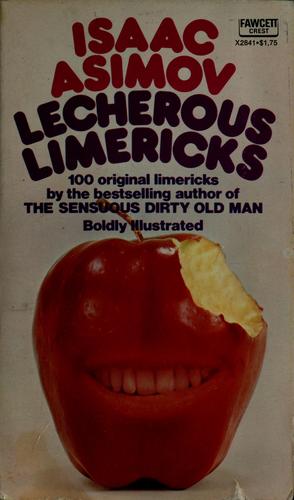
Lecherous Limericks
You delve into a collection of humorous verse. Experience a playful exploration of language and wit. Prepare for a series of lighthearted, rhyming tales.
Buy Jupiter and Other Stories
Immerse yourself in Isaac Asimov's novel, "Buy Jupiter and Other Stories," a collection of narratives from a master storyteller. You will explore a variety of concepts and scenarios within its pages. This 1975 publication offers a glimpse into Asimov's imaginative universe.
Nightfall and Other Stories
You explore "Nightfall and Other Stories," a collection by Isaac Asimov. Published in 1976, this volume brings together various narratives for your consideration. Immerse yourself in the diverse imagination of a prolific author.

Murder at the ABA
Engage with "Murder at the ABA" by Isaac Asimov, a novel published in 1976. This work invites you into a world of mystery and intrigue. You will follow its unfolding narrative to uncover its secrets.

Old-fashioned
Experience "Old-fashioned," a novel by Isaac Asimov published in 1976. This work offers you a journey into its distinct world. You will discover the themes and ideas presented within its pages.

The Ultimate Crime
Delve into "The Ultimate Crime," a 1976 novel by Isaac Asimov. This work presents a narrative centered around a significant transgression. You will explore the circumstances and implications of the described events within this novel.

Marching In
Delve into "Marching In," a 1976 novel by Isaac Asimov. This work presents a narrative that explores themes of societal movement and change. You will observe characters navigating specific circumstances within this unfolding story.

The Winnowing
Isaac Asimov's 1976 novel, "The Winnowing," invites you to explore a narrative centered on a process of selection or refinement. You will encounter themes related to sifting through elements, perhaps to discern value or separate the essential from the non-essential. Consider the consequences of such a process within the story's world.

Good Taste
Isaac Asimov's 1976 novel, "Good Taste," invites you to consider a narrative that explores societal standards and aesthetic preferences. You will encounter situations where personal judgment and collective norms are examined. Reflect on the various interpretations of "good taste" presented within the story.
Birth of a Notion
Isaac Asimov's 1976 novel, "Birth of a Notion," offers you a fictional narrative to immerse yourself in. You will discover a story crafted by the author, presented as a complete novel. This book allows you to explore the development of a concept or idea within its plot.

Sure Thing
Dive into "Sure Thing," a novel by Isaac Asimov. You will explore a narrative that reflects the author's distinctive vision from 1977. Experience a story where certainties are explored.

The Key Word
You encounter "The Key Word," a novel penned by Isaac Asimov. Published in 1977, this work invites you into a narrative from a master of the genre. Prepare to engage with a standalone story from an author renowned for his contributions to literature.

In Memory Yet Green
Embark on a journey through the formative years of a prolific mind, exploring the influences that shaped a scientific and literary career. You will gain insight into the intellectual landscape of the mid-20th century. Discover the personal anecdotes and professional milestones that defined an era.
Nothing for Nothing
Explore a narrative where consequences are paramount and every action has a price. You will witness characters navigating complex situations where nothing is truly free. Consider the implications of choices made in a world of strict balances.

Opus 200
You are invited to explore "Opus 200," a novel by Isaac Asimov published in 1979. This work offers a look into the author's narrative vision from that period. Prepare to engage with a story that reflects Asimov's unique contributions to the genre.
For the Birds
You are about to read "For the Birds," a novel by Isaac Asimov, published in 1980. This work offers a unique narrative from a master of speculative fiction. Prepare to discover its imaginative premise.
Death of a Foy
You will encounter 'Death of a Foy,' a novel by Isaac Asimov published in 1980. This work offers a distinct and complete narrative. Prepare to immerse yourself in a singular story from this prolific author. You are invited to explore a unique fictional scenario.

Visions of the Universe
Journey through imaginative explorations of the cosmos as envisioned by a prominent science fiction author. You will encounter various concepts and ideas about the vastness of space and its phenomena. This work invites you to contemplate the universe through a speculative lens.

Exploring the Earth and the Cosmos
Embark on a journey of discovery with Isaac Asimov. You will traverse vast intellectual landscapes, from our planet to the far reaches of space. This novel invites you to ponder humanity's place in the universe.
One Night of Song
In "One Night of Song" by Isaac Asimov, you will encounter a novel by a prolific author. This work offers a narrative from a master of various genres. Prepare to explore a story that may touch upon themes of humanity or scientific inquiry.

Lest We Remember
With "Lest We Remember" by Isaac Asimov, you will delve into a thought-provoking novel. This work presents a narrative from a foundational figure in science fiction. Prepare to consider themes that resonate with the author's exploration of humanity and technology.

Asimov on Science Fiction
You are invited to explore 'Asimov on Science Fiction,' a novel by Isaac Asimov. This 1983 publication offers insights from the author himself. You will find his perspectives on the genre. Delve into the thoughts of a master of science fiction.

Potential
You are invited to read "Potential," a novel by Isaac Asimov published in 1983. This work offers a narrative from the celebrated science fiction author. Explore the ideas and scenarios presented in this book.

Computer Crimes and Capers
Explore a collection of narratives that delve into the world of digital wrongdoing and playful misdeeds. You will encounter various scenarios where technology intersects with human ingenuity, sometimes for illicit gain, other times for clever pranks. This novel invites you to consider the evolving landscape of crime in the computer age.
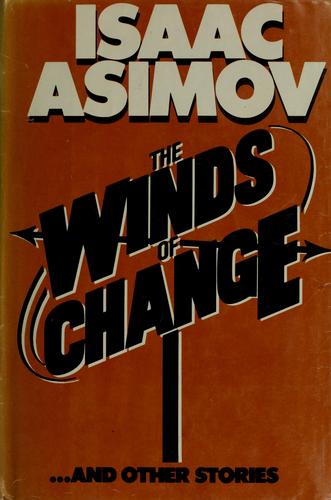
The Winds of Change and Other Stories
You are presented with "The Winds of Change and Other Stories" by Isaac Asimov, a novel from 1983. This collection offers you various narratives within the author's established genre. It provides an opportunity to experience Asimov's storytelling from this specific year.
About Nothing
You are presented with 'About Nothing,' a novel penned by Isaac Asimov. Released in 1983, this work offers a narrative from a renowned science fiction author. You can delve into the concepts and storytelling unique to Asimov. Discover the particular focus of this book.

Sherlock Holmes Through Time and Space
Discover "Sherlock Holmes Through Time and Space," a novel from 1984 by Isaac Asimov. This work presents a unique take on a well-known figure, explored through the author's vision. You will encounter a narrative that positions itself within the broader literary landscape.

Hallucination
You are presented with a novel by Isaac Asimov, originally published in 1985. This work explores its themes through a narrative structure characteristic of the author's style. Prepare to engage with a story that invites you to consider its premise.

The Disappearing Man and Other Mysteries
You are invited to solve a series of intriguing mysteries, presented by a master of the genre. Each story challenges your deductive reasoning and offers clever solutions to perplexing puzzles. You will enjoy the intellectual exercise of unraveling these unique cases.

The Edge of Tomorrow
You are offered a collection of speculative fiction stories that explore the boundaries of scientific possibility and human ingenuity. Each narrative presents a unique scenario, inviting you to consider the future's potential and its challenges. You will encounter thought-provoking concepts across various scientific disciplines.
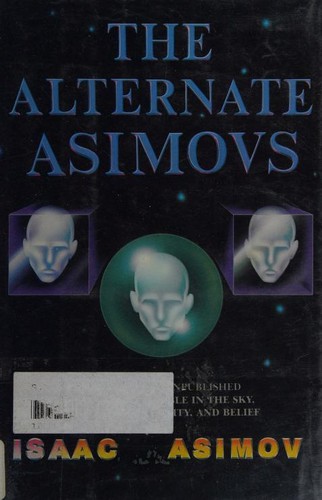
The Alternate Asimovs
In this 1986 novel by Isaac Asimov, you encounter various alternate narratives. Explore different versions and perspectives within the author's work. This collection offers you a unique look at creative possibilities.

The Best Science Fiction of Isaac Asimov
“The Best Science Fiction of Isaac Asimov,” a 1986 novel by the renowned author, offers you a journey into speculative fiction. You will encounter a narrative that showcases Asimov's contributions to the genre. This book invites you to explore themes characteristic of his work. It provides a concentrated experience of his science fiction vision.

Left to Right
In Isaac Asimov's “Left to Right,” you will encounter a novel from 1987. This work invites you to consider its premise through the lens of a master storyteller. You will find yourself engaging with its narrative and the ideas it presents.

Fantastic Voyage II
Embark on "Fantastic Voyage II," known in Spanish as "Viaje alucinante II," a 1987 novel by Isaac Asimov. This work invites you into a unique narrative world from a master of the genre. You will explore a story crafted with scientific imagination.

Azazel
Discover a unique collection of tales from a legendary science fiction author. You will encounter a mischievous, tiny demon named Azazel who grants unusual favors. Each story presents a distinct situation born from these peculiar interventions.

Nemesis
Isaac Asimov's 1989 novel, "Nemesis," presents a standalone science fiction narrative. You will explore a new world and its challenges as imagined by Asimov. This work offers a complete story from the author.
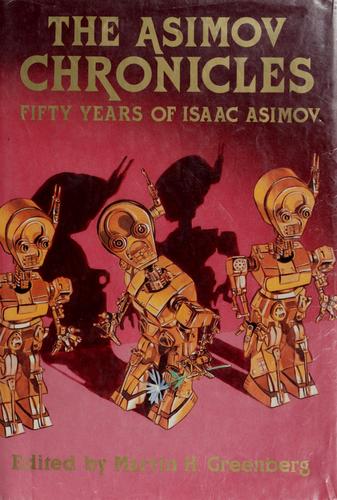
The Asimov Chronicles
"The Asimov Chronicles," a 1989 novel by Isaac Asimov, collects a selection of narratives from the science fiction author. You will find various stories showcasing his imaginative scope. This volume offers a broad perspective on Asimov's work.

Ancient Astronomy
You are invited to explore this novel by Isaac Asimov, published in 1989. This work, titled 'Ancient Astronomy', offers you a unique perspective from the prolific author. You will find a narrative that delves into its specific subject matter within a novelistic framework.
Cal
You are considering 'Cal,' a novel by Isaac Asimov. This work was published in 1990. Engage with the narrative presented in this standalone novel.
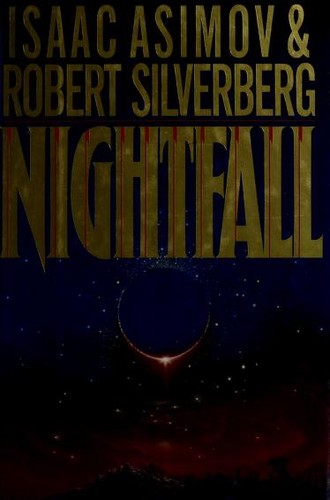
Nightfall
Isaac Asimov presents 'Nightfall', a novel that explores a unique premise. You will encounter a world facing an extraordinary celestial event and its profound implications. This narrative invites you to ponder the nature of existence under unusual circumstances.

Asimov's Chronology of the World
Explore a unique novel by Isaac Asimov that presents a chronological narrative of world events. You will encounter a broad scope of history, framed within a fictional or interpretive context. This book offers a distinctive perspective on the progression of human civilization.

Isaac's Universe Volume Two
You can discover 'Isaac's Universe Volume Two,' a novel by Isaac Asimov published in 1991. This book continues to build upon the author's established universe. Explore this volume to further engage with Asimov's imaginative world-building.

Isaac Asimov's Guide to Earth and Space
You are invited to explore *Isaac Asimov's Guide to Earth and Space*, a novel by Isaac Asimov, published in 1991. This work offers you a narrative experience from a notable literary voice. As a reader, you will engage with a story that exemplifies Asimov's contribution to the novel genre.

Atom
Isaac Asimov's 'Atom' takes you on a journey into the fundamental building blocks of existence. This novel explores the intricate world of atomic structure and its implications. You will delve into concepts that shape our understanding of the universe, examining the profound impact of these tiny particles.

Our Angry Earth
Isaac Asimov's 1991 novel, Our Angry Earth, presents a compelling exploration of our planet's state. You will delve into themes that reflect the Earth's challenges and potential responses. This work offers a thought-provoking perspective on humanity's relationship with its home.
Cleon the Emperor
Discover "Cleon the Emperor," a novel penned by Isaac Asimov. This work, released in 1992, is a product of its time. You will find a narrative crafted by this renowned author within its pages.
The Complete Stories
You are about to discover "The Complete Stories," a collection by Isaac Asimov published in 1992. This volume offers you an expansive journey through his diverse short narratives. Immerse yourself in the breadth of his imaginative worlds and characters.
Galley Slave - Il robot che leggeva le bozze
Explore "Galley Slave - Il robot che leggeva le bozze," a novel by Isaac Asimov. Published in 1992, this book represents a specific narrative from the author. You will encounter a story from his prolific output.

Magic
Isaac Asimov's 1995 novel, Magic, offers you a journey into a specific realm of his imagination. Asimov, known for his prolific output, presents a standalone narrative in this work. You can explore the themes and concepts he delves into within its pages.

Gold
Discover "Gold," a novel by Isaac Asimov. This work provides a narrative from a celebrated author. You are invited to engage with a story crafted within the novelistic tradition.

The Encyclopedists
Foundation is a science fiction novel by American writer Isaac Asimov. It is the first book in the Foundation Trilogy. Foundation is a cycle of five interrelated short stories, first published as a single book by Gnome Press in 1951.

The Psychohistorians
Foundation is a science fiction novel by American writer Isaac Asimov. It is the first book in the Foundation Trilogy. Foundation is a cycle of five interrelated short stories, first published as a single book by Gnome Press in 1951.

How It Happened
"How It Happened" is a short story by the author Arthur Conan Doyle, first published in The Strand Magazine in September 1913. Doyle began writing it in the Victorian era.









Frequently Asked Questions
How many books are in the Standalone Works series? +
The Standalone Works series by Isaac Asimov has 204 books.
In what order should I read the Standalone Works books? +
The recommended way to read Standalone Works is in publication order. The first book is The Weapon Too Dreadful to Use.
Is the Standalone Works series finished? +
The Standalone Works series currently has 204 published books.
What is the first book in the Standalone Works series? +
The first book in the Standalone Works series is "The Weapon Too Dreadful to Use", published in 1939.
Is Standalone Works worth reading? +
Standalone Works is one of the most acclaimed series in its genre, written by Isaac Asimov. With 204 books, it offers a rich and well-developed story that has captivated readers worldwide.
