
Isaac Asimov
Isaac Asimov was an American writer and professor of biochemistry at Boston University. During his lifetime, Asimov was considered one of the "Big Three" science fiction writers, along with Robert A. Heinlein and Arthur C. Clarke. He wrote or edited more than 500 books. He also wrote an estimated 90,000 letters and postcards. Best known for his hard science fiction, Asimov also wrote mysteries and fantasy, as well as popular science and other non-fiction, including guides to the Bible and Shakespeare.
Complete Bibliography
Follow the recommended order to not miss a thing.
Standalone Works
204 Books






...And Now You Don't
Second Foundation is the third novel of the Foundation Trilogy, the third published of the Foundation Series by the American writer Isaac Asimov, and the fifth in the in-universe chronology. It was first published in 1953 by Gnome Press.

Darwinian Pool Room
You discover 'Darwinian Pool Room,' an Isaac Asimov novel from 1950. This work introduces you to a narrative that explores concepts with a distinctive touch from the author. It invites you to observe the themes presented through Asimov's lens.

The Little Man on the Subway
You discover 'The Little Man on the Subway,' an Isaac Asimov novel from 1950. This work introduces you to a narrative that explores everyday situations with a distinctive touch. It invites you to observe the details of urban life through the author's lens.

Day of the Hunters
In Isaac Asimov's "Day of the Hunters," you are transported to a speculative narrative where survival is paramount. This novel plunges you into a suspenseful scenario with unseen forces at play. You will experience a tense exploration of conflict and pursuit.

Green Patches
You journey to a distant planet where a unique form of life thrives, characterized by its ability to adapt and spread. As human explorers encounter this alien ecosystem, you observe the challenges of understanding and coexisting with truly foreign biology. You will contemplate the delicate balance of life across the galaxy.

Legal Rites
You are introduced to a unique legal challenge involving an unusual client. As the complexities of the case unfold, you delve into the intricacies of legal systems applied to unforeseen circumstances. You will consider the boundaries of justice and what constitutes a right in a world of evolving possibilities.

The Fun They Had
Isaac Asimov's 1951 novel, *The Fun They Had*, invites you to reflect on pastimes and enjoyment. You will encounter a narrative that explores the very concept of 'fun.' This story prompts consideration of how leisure and learning might evolve.

Breeds There a Man...?
Isaac Asimov's 1951 novel, "Breeds There a Man...?", invites you into a speculative narrative. You will explore a world where fundamental questions about humanity and existence are brought to the forefront. This work delves into the very essence of what it means to be human.
Shah Guido G.
Isaac Asimov's 1951 novel, "Shah Guido G.," presents a unique narrative exploring power dynamics and political intrigue. You will observe the complexities of leadership and the consequences of ambition. This story invites you to consider the nature of governance and control.

Hostess
Isaac Asimov's 1951 novel, "Hostess," presents a compelling scenario involving a mysterious visitor. You will explore the implications of an unknown presence and its impact on human society. This story delves into themes of xenophobia and the challenges of interspecies interaction.

In a Good Cause—
Isaac Asimov's 1951 novel, *In a Good Cause—*, prompts you to examine the motivations behind actions. You will encounter a narrative where individuals strive for what they believe is right. The story encourages reflection on the impact and consequences of such endeavors.

C-Chute
In Isaac Asimov's 1951 novel, "C-Chute," you are thrust into a tense situation aboard a spaceship. The narrative focuses on an unexpected crisis and the ingenuity required for survival. This story explores themes of resourcefulness and human adaptation in confined spaces.

What If—
In Isaac Asimov's 1952 novel "What If—," you are presented with speculative scenarios that challenge conventional thinking. This work explores alternate possibilities and their potential consequences. You will encounter narratives that prompt reflection on pivotal choices and their ripple effects. The story encourages you to ponder the myriad paths life could take.

Youth
Youth is the time of life when one is young. The word, youth, can also mean the time between childhood and adulthood (maturity), but it can also refer to one's peak, in terms of health or the period of life known as being a young adult. Youth is also defined as "the appearance, freshness, vigor, spirit, etc., characteristic of one, who is young".

The Martian Way
Isaac Asimov's novel transports you to a unique vision of Mars. You will encounter themes of human ingenuity and adaptation in an extraterrestrial setting. Explore the challenges and triumphs of life beyond Earth in this compelling narrative.
The Deep
Isaac Asimov's novel plunges you into a world of scientific exploration and mystery. You will encounter a narrative that delves into the unknown, challenging perceptions and uncovering hidden truths. Explore the depths of human curiosity and the vastness of discovery.

Flies
Isaac Asimov's "Flies" invites you into a speculative narrative from 1953. As a novel, it presents you with a unique premise to consider. You will encounter the author's distinctive approach to storytelling within this standalone work.

The Monkey's Finger
Explore 'The Monkey's Finger', a novel penned by Isaac Asimov in 1953. This work offers a distinct narrative from the science fiction writer. You can engage with this specific story from his output.

Button, Button
Discover 'Button, Button', a novel by Isaac Asimov from 1953. This work presents a specific narrative from the science fiction author. You can explore this story within his bibliography.

Nobody Here But—
Consider 'Nobody Here But—', a novel written by Isaac Asimov in 1953. This standalone work comes from the science fiction author. You can delve into this particular narrative from his bibliography.
Everest
You are transported to the formidable heights of the world's highest peak, where human ambition meets the raw power of nature. Discover the challenges and perils faced by those who dare to conquer such an extreme environment. This story invites you to contemplate the limits of human endeavor.
It's Such a Beautiful Day
Explore 'It's Such a Beautiful Day,' a novel by Isaac Asimov from 1954. This work offers you a singular narrative from Asimov's authorship. You can immerse yourself in a story presented as a standalone novel.

The Immortal Bard
Discover 'The Immortal Bard,' a novel by Isaac Asimov published in 1954. This work offers you a singular narrative from Asimov's authorship. You can immerse yourself in a story presented as a standalone novel.

The Pause
Explore 'The Pause,' a novel by Isaac Asimov from 1954. This work offers you a particular narrative from Asimov's authorship. Immerse yourself in a story presented as a standalone novel.

Let's Not
You are invited to explore 'Let's Not,' a novel by Isaac Asimov published in 1954. This work offers you a singular narrative from Asimov's authorship. Delve into a story presented as a standalone novel.

The End of Eternity
The End of Eternity is a 1955 science fiction novel by Isaac Asimov with mystery and thriller elements on the subjects of time travel and social engineering. Its ultimate premise is that of a causal loop, a type of temporal paradox in which events and their causes form a loop. The novel was shortlisted for the Hugo Award for Best Novel.

The Last Trump
Explore "The Last Trump," a novel by Isaac Asimov published in 1955. This story presents a speculative scenario concerning ultimate events. You will consider the implications of a final declaration or occurrence.
The Talking Stone
You will discover 'The Talking Stone,' a novel by Isaac Asimov from 1955. This standalone work invites you to explore the concepts suggested by its intriguing title. Prepare to engage with Asimov's imagination as presented in this particular piece.

Dreaming Is a Private Thing
Reflect on "Dreaming Is a Private Thing," a 1955 novel by Isaac Asimov. This work invites you to consider the personal and intimate nature of inner worlds. You will explore themes related to imagination and individual consciousness.

The Singing Bell
You are invited to read 'The Singing Bell,' a novel by Isaac Asimov, published in 1955. This singular work offers a glimpse into the author's narrative craft during that year. Prepare to explore the world evoked by its distinctive title.

Hemoglobin and the Universe
You will read 'Hemoglobin and the Universe,' a novel by Isaac Asimov, released in 1955. This work reflects Asimov's exploration of vast concepts within a narrative framework. Prepare to engage with the intriguing interplay suggested by its title.
The Martian Way and Other Stories
You will encounter 'The Martian Way and Other Stories,' a novel by Isaac Asimov from 1955. This novel offers various narratives from the author's imagination. Prepare to explore the different worlds and concepts contained within this volume.
Gimmicks Three
Explore inventive concepts and clever solutions within the pages of Isaac Asimov's "Gimmicks Three." You will encounter narratives that showcase ingenuity and problem-solving. This novel offers a glimpse into imaginative possibilities.
The Dying Night
Discover 'The Dying Night,' a 1956 novel by Isaac Asimov. This literary creation presents you with its unique narrative. You will encounter a work that reflects the author's style from that period.
The Watery Place
Immerse yourself in "The Watery Place," a novel by Isaac Asimov from 1956. This story transports you to an environment dominated by water. You will explore the unique challenges and mysteries presented by such a setting.

What's in a Name?
Isaac Asimov’s novel, "What's in a Name?," presents you with a narrative from 1956 that challenges your perceptions. As you read, you will delve into the questions posed by its intriguing title, guided by the author's distinctive voice. This work encourages you to ponder the significance of identity and labels within its story.

Hell-Fire
'Hell-Fire,' a 1956 novel by Isaac Asimov, awaits your discovery. This literary piece invites you to immerse yourself in its pages. You will encounter a noteworthy contribution from this author published in that year.

The Message
Discover "The Message," a novel penned by Isaac Asimov in 1956. This standalone work invites you to consider the nature of communication across time or space. You will encounter a narrative centered around a significant dispatch.

Living Space
Explore "Living Space," a 1956 novel by Isaac Asimov. This narrative focuses on the concept of habitation and the spaces we occupy. You will encounter perspectives on what it means to find or create a home.

Each an Explorer
Embark on a journey with "Each an Explorer," a novel by Isaac Asimov published in 1956. This work invites you to consider the spirit of discovery and individual quests. You will follow characters as they navigate unknown territories or ideas.

Insert Knob A In Hole B
"Insert Knob A in Hole B" is a science fiction short story by Isaac Asimov. The story was first published in the December 1957 issue of The Magazine of Fantasy and Science Fiction and reprinted in the 1969 collection Nightfall and Other Stories.

Building Blocks of the Universe
Uncover the fundamental components of our world with Isaac Asimov's "Building Blocks of the Universe." You will journey through the intricacies of matter and energy as explained through a narrative lens. This novel offers an accessible exploration of scientific principles.

I Just Make Them Up, See!
You are invited into a collection of imaginative tales that showcase a distinctive authorial voice. Explore various speculative scenarios and clever concepts designed to entertain and provoke thought. This work offers a glimpse into the creative process and the art of storytelling.

Blank!
You encounter a 1957 novel by Isaac Asimov titled "Blank!". This work invites you to contemplate the implications of emptiness or an undefined state. You are presented with a narrative that leaves room for interpretation, prompting reflection on what fills the void.

A Loint of Paw
Delve into this 1957 novel by Isaac Asimov. You will encounter a unique premise, characteristic of the author's inventive storytelling. The narrative invites you to consider an unusual point of view or a peculiar predicament. Explore the implications of "A Loint of Paw" within this imaginative work.

Strikebreaker
Engage with a compelling social dynamic in this 1957 novel by Isaac Asimov. You are presented with a scenario involving labor and societal roles. The narrative explores the complexities and consequences of individual actions within a collective struggle. Consider the implications of being a "Strikebreaker" in this thought-provoking work.

The Gentle Vultures
Encounter a unique perspective on interstellar relations in Isaac Asimov's 1957 novel. You are introduced to a species with an unusual approach to humanity. The narrative explores themes of first contact, understanding, and the potential for misinterpretation between civilizations. Discover the intriguing dynamics presented in "The Gentle Vultures."

Does a Bee Care?
Ponder intriguing questions about existence and nature with Isaac Asimov's "Does a Bee Care?" You will be led through a thought-provoking exploration of scientific concepts and their implications. This novel invites you to consider the intricacies of the natural world.

Only a Trillion
Delve into the vastness of the universe and its wonders with Isaac Asimov's "Only a Trillion." You will explore grand scientific ideas and their potential impact on humanity. This novel encourages you to imagine the scale of cosmic phenomena.
I'm in Marsport Without Hilda
Journey to Marsport in this 1957 novel by Isaac Asimov. You find yourself in an unfamiliar space, navigating circumstances without a key companion. The narrative explores the challenges and implications of this particular situation. Discover what unfolds when you are in Marsport without Hilda.

The Dust of Death
You delve into a mystery where a peculiar and dangerous substance poses a significant threat. Follow the investigation as characters race against time to understand and neutralize its effects. This narrative explores the challenges of scientific discovery and unforeseen dangers.

Silly Asses
Isaac Asimov's "Silly Asses" is a novel published in 1958. You will find a narrative characteristic of Asimov's science fiction. Consider how this work contributes to his broader literary output.

The Feeling of Power
Discover *The Feeling of Power*, a novel by Isaac Asimov, published in 1958. This work presents you with a thought-provoking scenario. You will consider the implications of its central concept as the story unfolds.

Buy Jupiter
Isaac Asimov's "Buy Jupiter" is a novel published in 1958. You will encounter a narrative characteristic of Asimov's science fiction. Consider the unique concepts and scenarios explored in this work.
Spell My Name with an S
You encounter a story where a seemingly simple request for a name's spelling reveals deeper complexities. Consider how identity and perception are shaped by linguistic nuances and personal histories. This narrative explores the subtle power of words and their interpretation.

The Ugly Little Boy
You are introduced to a unique experiment involving time travel and its unexpected ethical dilemmas. Observe the bond formed between a nurse and a Neanderthal child brought into the modern era. This story probes the nature of compassion and the consequences of scientific intervention across time.
The Up-To-Date Sorcerer
"The Up-To-Date Sorcerer" is a novel by Isaac Asimov, published in 1958. You are invited to explore a narrative that reflects Asimov's unique approach to storytelling. Consider the blend of science fiction elements within its pages.

Rain, Rain, Go Away
Isaac Asimov's 1959 novel presents a unique perspective on the familiar. You will encounter a story where everyday phenomena take on new significance. This narrative challenges your perceptions and invites contemplation on its central premise. Prepare for an intriguing exploration of the ordinary turning extraordinary.

Obituary
In Isaac Asimov's 1959 novel, Obituary, you are drawn into a narrative that explores the consequences of extraordinary circumstances. This story presents a unique premise that challenges your understanding of life and death. You will follow characters as they navigate the implications of an unusual event. The work prompts you to reflect on the nature of existence and the value of individual lives.

A Statue for Father
Isaac Asimov's 1959 novel, A Statue for Father, presents you with a poignant narrative centered on family dynamics and recognition. You will explore the complexities of a son's relationship with his father and the pursuit of legacy. The story invites you to consider the ways in which individuals seek to honor their past and shape their future. This work offers a reflective look at personal achievements and the desire for lasting remembrance.

Unto the Fourth Generation
In Isaac Asimov's 1959 novel, Unto the Fourth Generation, you will encounter a story that explores themes of lineage and inherited traits. The narrative delves into the long-term impacts of past decisions and their influence on future generations. You will follow characters as they grapple with the echoes of history and the weight of their heritage. This work prompts you to consider the intricate connections that bind families through time.
Nine Tomorrows
In Isaac Asimov's 1959 novel, Nine Tomorrows, you will journey through a collection of speculative narratives. This work presents various visions of the future, each exploring different facets of technological advancement and societal change. You will encounter characters grappling with the implications of scientific innovation and human nature. Prepare to consider the myriad possibilities that lie ahead, as imagined by a master of the genre.

What is This Thing Called Love?
Isaac Asimov's "What is This Thing Called Love?" invites you to explore a novel published in 1961. This work presents a narrative from a master of the genre. You will encounter a story that delves into its intriguing title.
Star Light
You are about to read "Star Light," a novel by Isaac Asimov from 1962. Prepare to explore a narrative from this celebrated author. Engage with the story as you journey through its pages.

Life and Energy
Explore fundamental concepts of existence and the forces that drive it. You will delve into the intricate relationship between living systems and the energy that sustains them. This book offers a perspective on the mechanics of life itself.

Fifty Short Science Fiction Tales
In Isaac Asimov's 1963 collection, "Fifty Short Science Fiction Tales", you are presented with a diverse array of speculative narratives. Each story offers a unique glimpse into possible futures and technological advancements. You will explore various concepts and scenarios crafted by a foundational author in the genre.

Asimov's Biographical Encyclopedia of Science and Technology
Delve into "Asimov's Biographical Encyclopedia of Science and Technology," a novel by Isaac Asimov from 1964. This work presents a unique blend of narrative and information. You will find specific details within its pages.

Author! Author!
Consider 'Author! Author!,' a novel by Isaac Asimov, released in 1964. This standalone work invites you into the mind of a prolific writer. You can explore a narrative that showcases his storytelling prowess outside his more famous series.

Five-Odd
Delve into 'Five-Odd,' a novel by Isaac Asimov, which saw its publication in 1964. This standalone work invites you to explore a facet of the author's diverse literary output. You can experience a narrative from a master of science fiction.

Founding Father
You are presented with *Founding Father*, a novel by Isaac Asimov. This work, published in 1965, invites you to explore the narrative landscape of its time. Delve into a story crafted by this notable author within the novelistic tradition.

Eyes Do More Than See
You are presented with *Eyes Do More Than See*, a novel by Isaac Asimov. This work, published in 1965, invites you to explore the narrative landscape of its time. Delve into a story crafted by this notable author within the novelistic tradition.
The Key
In Isaac Asimov's 1966 novel, 'The Key,' you will encounter a narrative centered around a fundamental element. This work invites you to delve into a story where a single aspect holds significant importance. Explore the implications and unravel the mysteries presented within its pages.
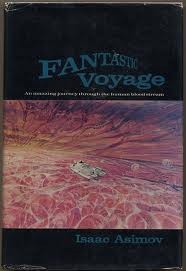
Fantastic Voyage
You are invited to explore a novel by Isaac Asimov, originally published in 1966. Prepare to engage with a narrative crafted by a prominent voice in science fiction. As you turn the pages, you will encounter the imaginative storytelling characteristic of his work. This novel offers a glimpse into a specific moment in literary history.

Understanding Physics
You can explore "Understanding Physics," a novel by Isaac Asimov. Released in 1966, this book invites you to delve into its pages. Prepare for a narrative that reflects Asimov's distinctive approach to storytelling.
Through a Glass, Clearly
You are presented with a future where technology allows for new ways of seeing and understanding. This narrative delves into the implications of enhanced perception and the challenges it brings. Explore how clarity, or the illusion of it, shapes human experience and discovery.
The Billiard Ball
You are presented with a novel from Isaac Asimov that explores the intriguing possibilities of science and human ingenuity. This story delves into a specific scientific concept, challenging your understanding of physics and its applications. You will follow characters as they grapple with the implications of a groundbreaking invention. Prepare for an intellectual exploration within a fictional framework.
Asimov's Mysteries
Isaac Asimov's 'Asimov's Mysteries' offers you a novel. This work compiles a series of intriguing puzzles and investigations. You will engage with various enigmatic situations, challenging your perception of logic and discovery.

Exile to Hell
Isaac Asimov's 'Exile to Hell' offers you a novel. This work explores a journey of banishment and its consequences. You will delve into a narrative that examines the challenges faced in a harsh, isolated environment.

The Proper Study
You will encounter "The Proper Study," a novel by Isaac Asimov, published in 1968. This work from a prolific science fiction and non-fiction author suggests an exploration of foundational concepts. You can anticipate a narrative that delves into intellectual inquiry and perhaps societal implications.

Up to the Fourth Generation
You can explore "Up to the Fourth Generation," a novel by Isaac Asimov, released in 1969. This work delves into concepts typical of science fiction. You are invited to consider the imaginative scenarios presented by the author. Reflect on its contribution to the genre from a prolific writer.

Opus 100
You are presented with "Opus 100," a novel by Isaac Asimov, published in 1969. This work celebrates a significant milestone in the author's career. You will explore a collection that reflects his extensive contributions to literature. Consider its historical significance as a landmark publication.

As Chemist to Chemist
Delve into the world of science and intellect with Isaac Asimov's "As Chemist to Chemist." This novel offers a narrative that explores intricate ideas and logical progressions. You will find a story rich with the thoughtful inquiry characteristic of its author.

Waterclap
Explore the depths of imagination and scientific speculation with Isaac Asimov's "Waterclap." This novel invites you to consider innovative concepts within a compelling narrative. You will encounter a story that reflects on the possibilities and challenges of advanced ideas.

Asimov's Guide to Shakespeare
You are invited to explore Isaac Asimov's unique perspective in his 1970 novel, *Asimov's Guide to Shakespeare*. This work offers you a novelistic approach to the world of Shakespeare. Prepare to delve into a distinctive interpretation by a renowned author.

Isaac Asimov's Treasury of Humor
Dive into "Isaac Asimov's Treasury of Humor," a novel compiled by Isaac Asimov in 1971. This work presents a collection centered around the theme of humor. You will encounter various facets of wit and comedic expression within its pages.
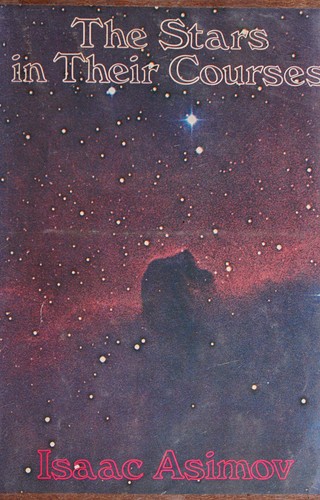
The Stars in their Courses
Journey through a future where humanity grapples with interstellar politics and scientific advancement. You will witness characters navigating complex societal structures and cosmic challenges. This novel prompts you to consider the destiny of civilization among the stars.

Kid Stuff
You are invited to read a novel by Isaac Asimov, a work whose title suggests a particular focus or theme. You will encounter a narrative shaped by the author's renowned imagination. Engage with the story presented in this 1972 publication.

The Greatest Asset
You are invited to read a novel by Isaac Asimov, a work whose title suggests a focus on value or importance. You will encounter a narrative shaped by the author's renowned imagination. Engage with the story presented in this 1972 publication.

Take a Match
Consider "Take a Match," a 1972 novel by Isaac Asimov. This work offers a standalone narrative from the prolific author. You are invited to explore a story that showcases Asimov's inventive storytelling. Discover the world and characters crafted within this particular novel.

Truth to Tell
You embark on a journey into the realm of science fiction and logical exploration. This novel presents a narrative where the pursuit of truth takes center stage, often intertwined with technological and ethical dilemmas. Prepare to consider the implications of knowledge and its revelations.

The Gods Themselves
You will explore a universe where humanity makes contact with an alien race from a parallel universe. This interaction brings forth both scientific breakthroughs and unforeseen dangers. Discover how the exchange of energy between dimensions threatens to unravel the fabric of reality for both civilizations. You will witness the complex choices made by scientists and politicians as they grapple with the consequences.

The Best of Isaac Asimov
You encounter 'The Best of Isaac Asimov,' a novel penned by Isaac Asimov. This work was originally published in 1973. Immerse yourself in the narrative crafted by this esteemed author. Explore the themes and characters presented within its pages.

Have You Seen These?
You encounter a novel by Isaac Asimov from 1974. The title poses a direct question, inviting you to discover its contents. This work likely presents a collection of ideas or stories for your consideration.

The Heavenly Host
You delve into "The Heavenly Host," a novel by Isaac Asimov, published in 1974. This work presents a distinct narrative from the prolific author. Explore the themes within this literary piece.
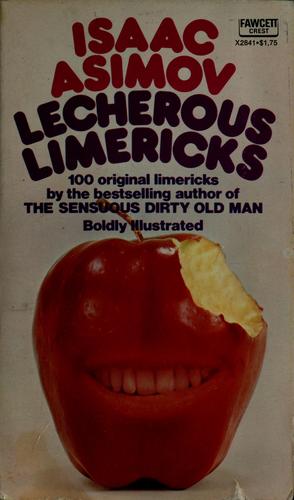
Lecherous Limericks
You delve into a collection of humorous verse. Experience a playful exploration of language and wit. Prepare for a series of lighthearted, rhyming tales.
Buy Jupiter and Other Stories
Immerse yourself in Isaac Asimov's novel, "Buy Jupiter and Other Stories," a collection of narratives from a master storyteller. You will explore a variety of concepts and scenarios within its pages. This 1975 publication offers a glimpse into Asimov's imaginative universe.
Nightfall and Other Stories
You explore "Nightfall and Other Stories," a collection by Isaac Asimov. Published in 1976, this volume brings together various narratives for your consideration. Immerse yourself in the diverse imagination of a prolific author.

Murder at the ABA
Engage with "Murder at the ABA" by Isaac Asimov, a novel published in 1976. This work invites you into a world of mystery and intrigue. You will follow its unfolding narrative to uncover its secrets.

Old-fashioned
Experience "Old-fashioned," a novel by Isaac Asimov published in 1976. This work offers you a journey into its distinct world. You will discover the themes and ideas presented within its pages.

The Ultimate Crime
Delve into "The Ultimate Crime," a 1976 novel by Isaac Asimov. This work presents a narrative centered around a significant transgression. You will explore the circumstances and implications of the described events within this novel.

Marching In
Delve into "Marching In," a 1976 novel by Isaac Asimov. This work presents a narrative that explores themes of societal movement and change. You will observe characters navigating specific circumstances within this unfolding story.

The Winnowing
Isaac Asimov's 1976 novel, "The Winnowing," invites you to explore a narrative centered on a process of selection or refinement. You will encounter themes related to sifting through elements, perhaps to discern value or separate the essential from the non-essential. Consider the consequences of such a process within the story's world.

Good Taste
Isaac Asimov's 1976 novel, "Good Taste," invites you to consider a narrative that explores societal standards and aesthetic preferences. You will encounter situations where personal judgment and collective norms are examined. Reflect on the various interpretations of "good taste" presented within the story.
Birth of a Notion
Isaac Asimov's 1976 novel, "Birth of a Notion," offers you a fictional narrative to immerse yourself in. You will discover a story crafted by the author, presented as a complete novel. This book allows you to explore the development of a concept or idea within its plot.

Sure Thing
Dive into "Sure Thing," a novel by Isaac Asimov. You will explore a narrative that reflects the author's distinctive vision from 1977. Experience a story where certainties are explored.

The Key Word
You encounter "The Key Word," a novel penned by Isaac Asimov. Published in 1977, this work invites you into a narrative from a master of the genre. Prepare to engage with a standalone story from an author renowned for his contributions to literature.

In Memory Yet Green
Embark on a journey through the formative years of a prolific mind, exploring the influences that shaped a scientific and literary career. You will gain insight into the intellectual landscape of the mid-20th century. Discover the personal anecdotes and professional milestones that defined an era.
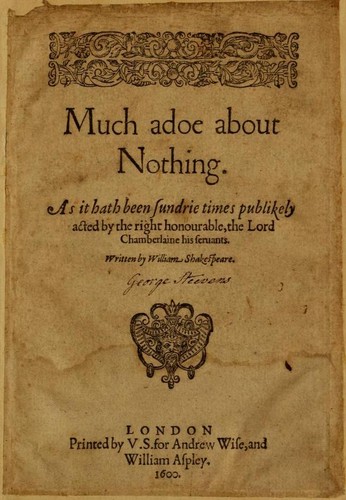
Nothing for Nothing
Explore a narrative where consequences are paramount and every action has a price. You will witness characters navigating complex situations where nothing is truly free. Consider the implications of choices made in a world of strict balances.

Opus 200
You are invited to explore "Opus 200," a novel by Isaac Asimov published in 1979. This work offers a look into the author's narrative vision from that period. Prepare to engage with a story that reflects Asimov's unique contributions to the genre.
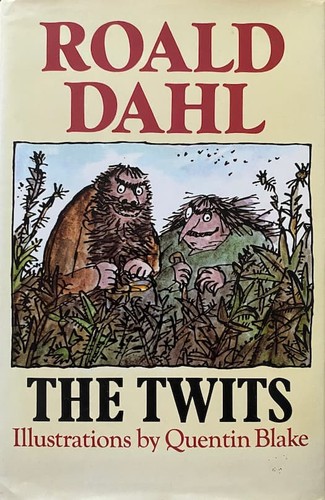
For the Birds
You are about to read "For the Birds," a novel by Isaac Asimov, published in 1980. This work offers a unique narrative from a master of speculative fiction. Prepare to discover its imaginative premise.
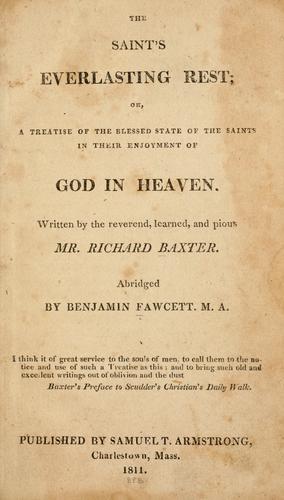
Death of a Foy
You will encounter 'Death of a Foy,' a novel by Isaac Asimov published in 1980. This work offers a distinct and complete narrative. Prepare to immerse yourself in a singular story from this prolific author. You are invited to explore a unique fictional scenario.

Visions of the Universe
Journey through imaginative explorations of the cosmos as envisioned by a prominent science fiction author. You will encounter various concepts and ideas about the vastness of space and its phenomena. This work invites you to contemplate the universe through a speculative lens.

Exploring the Earth and the Cosmos
Embark on a journey of discovery with Isaac Asimov. You will traverse vast intellectual landscapes, from our planet to the far reaches of space. This novel invites you to ponder humanity's place in the universe.
One Night of Song
In "One Night of Song" by Isaac Asimov, you will encounter a novel by a prolific author. This work offers a narrative from a master of various genres. Prepare to explore a story that may touch upon themes of humanity or scientific inquiry.

Lest We Remember
With "Lest We Remember" by Isaac Asimov, you will delve into a thought-provoking novel. This work presents a narrative from a foundational figure in science fiction. Prepare to consider themes that resonate with the author's exploration of humanity and technology.

Asimov on Science Fiction
You are invited to explore 'Asimov on Science Fiction,' a novel by Isaac Asimov. This 1983 publication offers insights from the author himself. You will find his perspectives on the genre. Delve into the thoughts of a master of science fiction.

Potential
You are invited to read "Potential," a novel by Isaac Asimov published in 1983. This work offers a narrative from the celebrated science fiction author. Explore the ideas and scenarios presented in this book.

Computer Crimes and Capers
Explore a collection of narratives that delve into the world of digital wrongdoing and playful misdeeds. You will encounter various scenarios where technology intersects with human ingenuity, sometimes for illicit gain, other times for clever pranks. This novel invites you to consider the evolving landscape of crime in the computer age.
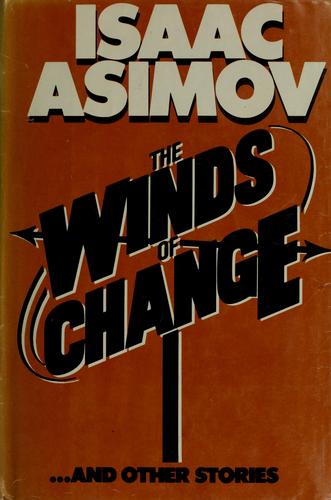
The Winds of Change and Other Stories
You are presented with "The Winds of Change and Other Stories" by Isaac Asimov, a novel from 1983. This collection offers you various narratives within the author's established genre. It provides an opportunity to experience Asimov's storytelling from this specific year.
About Nothing
You are presented with 'About Nothing,' a novel penned by Isaac Asimov. Released in 1983, this work offers a narrative from a renowned science fiction author. You can delve into the concepts and storytelling unique to Asimov. Discover the particular focus of this book.

Sherlock Holmes Through Time and Space
Discover "Sherlock Holmes Through Time and Space," a novel from 1984 by Isaac Asimov. This work presents a unique take on a well-known figure, explored through the author's vision. You will encounter a narrative that positions itself within the broader literary landscape.

Hallucination
You are presented with a novel by Isaac Asimov, originally published in 1985. This work explores its themes through a narrative structure characteristic of the author's style. Prepare to engage with a story that invites you to consider its premise.

The Disappearing Man and Other Mysteries
You are invited to solve a series of intriguing mysteries, presented by a master of the genre. Each story challenges your deductive reasoning and offers clever solutions to perplexing puzzles. You will enjoy the intellectual exercise of unraveling these unique cases.

The Edge of Tomorrow
You are offered a collection of speculative fiction stories that explore the boundaries of scientific possibility and human ingenuity. Each narrative presents a unique scenario, inviting you to consider the future's potential and its challenges. You will encounter thought-provoking concepts across various scientific disciplines.
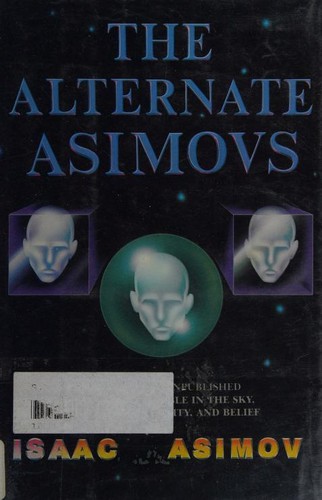
The Alternate Asimovs
In this 1986 novel by Isaac Asimov, you encounter various alternate narratives. Explore different versions and perspectives within the author's work. This collection offers you a unique look at creative possibilities.

The Best Science Fiction of Isaac Asimov
“The Best Science Fiction of Isaac Asimov,” a 1986 novel by the renowned author, offers you a journey into speculative fiction. You will encounter a narrative that showcases Asimov's contributions to the genre. This book invites you to explore themes characteristic of his work. It provides a concentrated experience of his science fiction vision.

Left to Right
In Isaac Asimov's “Left to Right,” you will encounter a novel from 1987. This work invites you to consider its premise through the lens of a master storyteller. You will find yourself engaging with its narrative and the ideas it presents.

Fantastic Voyage II
Embark on "Fantastic Voyage II," known in Spanish as "Viaje alucinante II," a 1987 novel by Isaac Asimov. This work invites you into a unique narrative world from a master of the genre. You will explore a story crafted with scientific imagination.

Azazel
Discover a unique collection of tales from a legendary science fiction author. You will encounter a mischievous, tiny demon named Azazel who grants unusual favors. Each story presents a distinct situation born from these peculiar interventions.

Nemesis
Isaac Asimov's 1989 novel, "Nemesis," presents a standalone science fiction narrative. You will explore a new world and its challenges as imagined by Asimov. This work offers a complete story from the author.
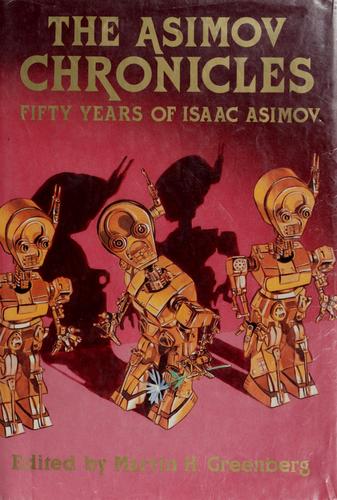
The Asimov Chronicles
"The Asimov Chronicles," a 1989 novel by Isaac Asimov, collects a selection of narratives from the science fiction author. You will find various stories showcasing his imaginative scope. This volume offers a broad perspective on Asimov's work.

Ancient Astronomy
You are invited to explore this novel by Isaac Asimov, published in 1989. This work, titled 'Ancient Astronomy', offers you a unique perspective from the prolific author. You will find a narrative that delves into its specific subject matter within a novelistic framework.
Cal
You are considering 'Cal,' a novel by Isaac Asimov. This work was published in 1990. Engage with the narrative presented in this standalone novel.
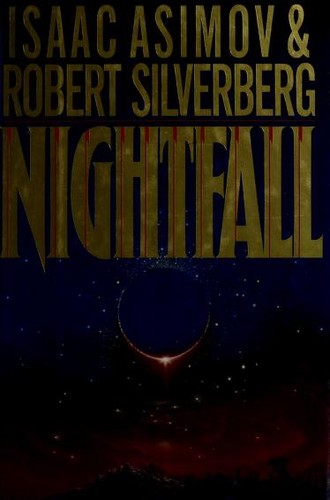
Nightfall
Isaac Asimov presents 'Nightfall', a novel that explores a unique premise. You will encounter a world facing an extraordinary celestial event and its profound implications. This narrative invites you to ponder the nature of existence under unusual circumstances.

Asimov's Chronology of the World
Explore a unique novel by Isaac Asimov that presents a chronological narrative of world events. You will encounter a broad scope of history, framed within a fictional or interpretive context. This book offers a distinctive perspective on the progression of human civilization.

Isaac's Universe Volume Two
You can discover 'Isaac's Universe Volume Two,' a novel by Isaac Asimov published in 1991. This book continues to build upon the author's established universe. Explore this volume to further engage with Asimov's imaginative world-building.

Isaac Asimov's Guide to Earth and Space
You are invited to explore *Isaac Asimov's Guide to Earth and Space*, a novel by Isaac Asimov, published in 1991. This work offers you a narrative experience from a notable literary voice. As a reader, you will engage with a story that exemplifies Asimov's contribution to the novel genre.

Atom
Isaac Asimov's 'Atom' takes you on a journey into the fundamental building blocks of existence. This novel explores the intricate world of atomic structure and its implications. You will delve into concepts that shape our understanding of the universe, examining the profound impact of these tiny particles.

Our Angry Earth
Isaac Asimov's 1991 novel, Our Angry Earth, presents a compelling exploration of our planet's state. You will delve into themes that reflect the Earth's challenges and potential responses. This work offers a thought-provoking perspective on humanity's relationship with its home.
Cleon the Emperor
Discover "Cleon the Emperor," a novel penned by Isaac Asimov. This work, released in 1992, is a product of its time. You will find a narrative crafted by this renowned author within its pages.
The Complete Stories
You are about to discover "The Complete Stories," a collection by Isaac Asimov published in 1992. This volume offers you an expansive journey through his diverse short narratives. Immerse yourself in the breadth of his imaginative worlds and characters.
Galley Slave - Il robot che leggeva le bozze
Explore "Galley Slave - Il robot che leggeva le bozze," a novel by Isaac Asimov. Published in 1992, this book represents a specific narrative from the author. You will encounter a story from his prolific output.

Magic
Isaac Asimov's 1995 novel, Magic, offers you a journey into a specific realm of his imagination. Asimov, known for his prolific output, presents a standalone narrative in this work. You can explore the themes and concepts he delves into within its pages.

Gold
Discover "Gold," a novel by Isaac Asimov. This work provides a narrative from a celebrated author. You are invited to engage with a story crafted within the novelistic tradition.

The Encyclopedists
Foundation is a science fiction novel by American writer Isaac Asimov. It is the first book in the Foundation Trilogy. Foundation is a cycle of five interrelated short stories, first published as a single book by Gnome Press in 1951.

The Psychohistorians
Foundation is a science fiction novel by American writer Isaac Asimov. It is the first book in the Foundation Trilogy. Foundation is a cycle of five interrelated short stories, first published as a single book by Gnome Press in 1951.

How It Happened
"How It Happened" is a short story by the author Arthur Conan Doyle, first published in The Strand Magazine in September 1913. Doyle began writing it in the Victorian era.









Multivac
15 Books
Franchise
Delve into "Franchise," a 1955 novel by Isaac Asimov, part of his 'Multivac' series. This story explores themes of societal decision-making and the role of advanced systems in governance. You will witness a unique vision of democratic process.
Question
You are about to encounter 'Question,' a novel penned by Isaac Asimov in 1955. This work is a distinguished entry in his 'Multivac' series, inviting you to ponder its central theme. Prepare to immerse yourself in Asimov's distinctive narrative style from this prolific period.

Someday
Engage with 'Someday,' a 1956 novel by Isaac Asimov, also known as 'Algún día'. This work is part of the 'Multivac' series. You will encounter a narrative within this specific universe, presented by a master of the genre.

The Last Question
Engage with 'The Last Question,' a 1956 novel by Isaac Asimov, also known as 'La última pregunta'. This work is part of the 'Multivac' series. You will encounter a narrative within this specific universe, presented by a master of the genre.
Jokester
You will encounter 'Jokester,' a novel from 1956 by Isaac Asimov. This work offers you a narrative to explore. Through its pages, you can engage with a literary creation from a significant author of its time. This novel is also part of the 'Multivac' series.

The Dead Past
You are invited to read 'The Dead Past,' a novel by Isaac Asimov, published in 1956. This work offers you a narrative from a significant author. Delve into a text representative of its publication year. This novel is also part of the 'Multivac' series.

All the Troubles of the World
"All the Troubles of the World," or "Todos los males del mundo," is an Isaac Asimov novel from 1958. As part of the 'Multivac' series, you will delve into narratives connected to this specific universe. Expect themes often explored within Asimov's science fiction.

Anniversary
In Anniversary, a 1959 novel by Isaac Asimov and part of the 'Multivac' series, you are invited to explore a world shaped by advanced computing. This story delves into the intricacies of human-machine interaction and the consequences of technological progress. You will witness characters confronting the legacy of a significant event related to the powerful Multivac. The narrative prompts you to consider the enduring impact of artificial intelligence on society.

The Machine that Won the War
Isaac Asimov's "The Machine that Won the War" presents you with a novel from 1961. This work is part of the 'Multivac' series, offering a narrative within its established universe. You will explore a story centered on its intriguing technological premise.
My Son, the Physicist
You are about to read "My Son, the Physicist," a novel by Isaac Asimov from 1962. This work is part of the 'Multivac' series, inviting you into a specific narrative universe. Discover its unique contributions to the series as you delve into its pages.

Key Item
In Isaac Asimov's 'Key Item / Factor clave,' you will discover a novel published in 1968. This work forms part of the 'Multivac' series. It invites you to explore this segment of the narrative, contributing to the overall story of the series.
Point of View
You encounter another story from the 'Multivac' series. Explore the inner workings of a powerful supercomputer. Consider the implications of its vast capabilities from different perspectives.
The Life and Times of Multivac
You encounter "The Life and Times of Multivac," a 1975 novel by Isaac Asimov. This work is a part of the 'Multivac' series. Discover the narrative within this specific entry by the author.

Think!
Engage with "Think!" by Isaac Asimov, a novel released in 1977. This work is an entry in the 'Multivac' series. You will encounter a narrative that expands upon the themes and concepts central to this particular series.

True Love
Explore "True Love" by Isaac Asimov, a novel from 1977. This work is a component of the 'Multivac' series. You will find a narrative that delves into specific concepts and characters within this established universe.
Foundation series
6 Books
Prelude to Foundation
Isaac Asimov's 1988 novel, "Prelude to Foundation / Preludio a la Fundación", serves as an entry into his renowned Foundation series. You will uncover events that precede the saga's core narrative, enriching your understanding of its universe. This installment provides crucial background for the epic story.
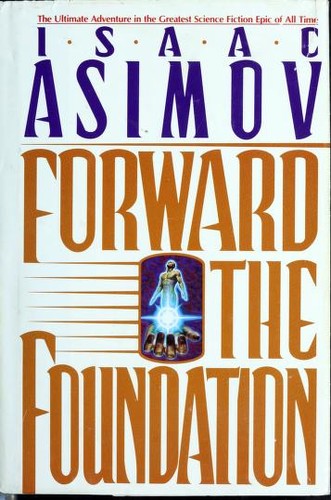
Forward the Foundation
Return to Isaac Asimov's iconic 'Foundation series' with "Forward the Foundation," a 1993 novel. You will witness the crucial developments leading to the renowned Foundation's establishment. This installment offers insights into the origins of a monumental galactic saga.

Foundation and Empire
Isaac Asimov's 1952 novel, "Foundation and Empire," continues the epic saga of the 'Foundation series.' You will witness the unfolding of grand historical forces and the struggle to preserve civilization. This narrative explores the resilience of humanity against overwhelming odds. Prepare to engage with profound questions about power, destiny, and societal evolution.
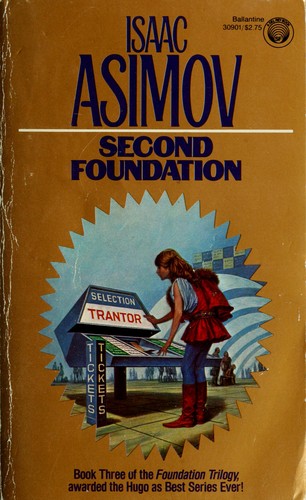
Second Foundation
"Second Foundation" by Isaac Asimov continues the sprawling saga of the 'Foundation series'. This 1953 novel invites you to delve deeper into the destiny of humanity across the galaxy. You will encounter new challenges and revelations as the intricate plan unfolds.

Foundation's Edge
You will discover 'Foundation's Edge,' a novel by Isaac Asimov. This book is a part of the renowned 'Foundation series.' Prepare to rejoin the ongoing saga of humanity's future as you turn its pages.

Foundation and Earth
Isaac Asimov's “Foundation and Earth,” published in 1986, is a novel that continues his 'Foundation series.' You will journey through a science fiction narrative that expands on the universe established by Asimov. This book invites you to explore themes of humanity's future and its connection to its origins. It represents a significant installment in a renowned saga.
Troas
1 Books
Sucker Bait
You are drawn into a science fiction narrative set in the 'Troas' series. The story presents a complex challenge that requires investigation and critical thinking. You will encounter various characters and situations as you navigate a unfolding mystery.

Isaac Asimov Presents The Great SF Stories 1
You are presented with the inaugural volume of a notable science fiction series. This collection invites you to explore a curated selection of stories from the genre. As you delve into these narratives, you'll experience diverse perspectives within the realm of speculative fiction.
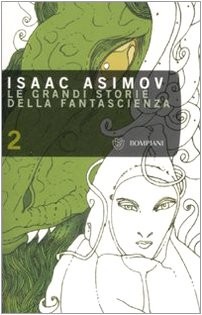
Isaac Asimov Presents The Great SF Stories 2
You can discover "Isaac Asimov Presents The Great SF Stories 2." This 1979 publication is part of the ongoing 'Isaac Asimov Presents The Great SF Stories' series. It continues a collection curated by the renowned author. Immerse yourself in a selection of science fiction narratives.

Isaac Asimov Presents The Great SF Stories 3
You are invited to explore 'Isaac Asimov Presents The Great SF Stories 3,' a novel from 1980. This volume is part of the ongoing 'Isaac Asimov Presents The Great SF Stories' series. Prepare to encounter a curated selection within this established collection. You will find a specific installment of this science fiction anthology.

Isaac Asimov Presents The Great SF Stories 4
You are about to delve into a novel by Isaac Asimov, published in 1980. This work is the fourth installment in the 'Isaac Asimov Presents The Great SF Stories' series. Prepare to explore a collection curated by a master of the science fiction genre.

Isaac Asimov Presents The Great SF Stories 7
Immerse yourself in the seventh installment of a science fiction series. This 1982 novel brings you a selection of compelling speculative tales. You are invited to explore the vast possibilities of the future and beyond.

Isaac Asimov Presents The Great SF Stories 9
Experience *Isaac Asimov Presents The Great SF Stories 9*, a 1983 novel curated by Isaac Asimov himself. This volume is part of a series dedicated to showcasing significant science fiction narratives. You will encounter a collection of stories carefully selected to represent the genre's breadth. It offers you a journey through various imaginative worlds and concepts.

Isaac Asimov Presents The Great SF Stories 12
Delve into 'Isaac Asimov Presents The Great SF Stories 12,' a 1984 novel curated by the legendary Isaac Asimov. This volume is part of the esteemed 'Isaac Asimov Presents The Great SF Stories' series, offering you a collection of notable works. You will discover diverse narratives and imaginative concepts within its pages. Explore a significant installment in a beloved anthology series.

Isaac Asimov Presents The Great SF Stories 16
Engage with "Isaac Asimov Presents The Great SF Stories 16," a 1987 installment in the series. You will find a collection curated by a science fiction master. This volume offers a glimpse into significant works of the genre. Explore diverse narratives assembled for your enjoyment.

Isaac Asimov Presents The Great SF Stories 19
Discover this novel presented by Isaac Asimov, published in 1989. This volume is part of 'Isaac Asimov Presents The Great SF Stories' series. You will encounter a collection curated within the science fiction genre.

Isaac Asimov Presents The Great SF Stories 20
Isaac Asimov presents the twentieth installment in 'The Great SF Stories' series. In this 1990 novel, you will find yourself immersed in a collection curated by a master of science fiction. Explore the imaginative narratives that define this volume.
Foundation Trilogy
1 Books
Foundation
Isaac Asimov's 1951 novel, "Foundation," is the first installment in the acclaimed 'Foundation Trilogy' series. You will witness the fall of a galactic empire and the ambitious plan to preserve civilization. This story introduces you to psychohistory, a science that predicts the future on a grand scale.
Amazing Stories
1 Books
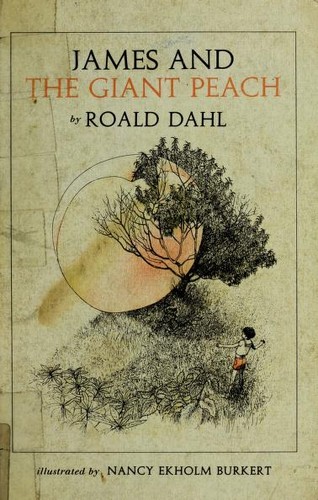
Giants
You discover "Giants," a novel by Isaac Asimov, published in 1985. This book is an installment in the 'Isaac Asimov's Magical Worlds of Fantasy' series. Prepare to journey into a narrative that contributes to an established literary universe.
periodical
1 Books
Profession
You are introduced to a narrative exploring the concept of "Profession" in Isaac Asimov's 1957 novel. As part of the 'periodical' series, this work invites you to reflect on societal roles and individual purpose. You will consider the implications of specialized callings within its imaginative framework.
Lucky Starr series
5 Books
David Starr, Space Ranger
Isaac Asimov's 1952 novel, "David Starr, Space Ranger," launches you into the thrilling 'Lucky Starr series.' You will join the titular hero on a mission across the cosmos to uphold justice. This adventure explores themes of exploration, mystery, and scientific ingenuity in a futuristic setting. Prepare to embark on an interstellar journey.

Lucky Starr and the Pirates of the Asteroids
In "Lucky Starr and the Pirates of the Asteroids," you are launched into another adventure in Isaac Asimov's 'Lucky Starr series'. This 1953 novel continues the thrilling journey through space. You will encounter challenges and discoveries as you navigate the cosmic setting of this installment.

Lucky Starr and the Oceans of Venus
You are invited to delve into 'Lucky Starr and the Oceans of Venus,' a novel by Isaac Asimov from 1954. This work is a part of the 'Lucky Starr series,' offering a specific entry into that continuity. Explore a narrative within this established science fiction universe.

Lucky Starr and the Moons of Jupiter
You join Lucky Starr on an interstellar adventure within the 'Lucky Starr series'. The narrative transports you to the moons of Jupiter, where you encounter a new set of challenges. You will investigate mysteries and navigate complex situations in a futuristic setting.

Lucky Starr and the Rings of Saturn
"Lucky Starr and the Rings of Saturn," or "Los anillos de Saturno," is a novel by Isaac Asimov from 1958. As part of the 'Lucky Starr series,' you will follow adventures within this established universe. Expect a narrative consistent with the series' themes.
Norby
1 Books
Norby, the Mixed-Up Robot
You explore "Norby, the Mixed-Up Robot" by Isaac Asimov, a novel from 1983. This work is an installment in the 'Norby' series. It invites you to follow the adventures within this particular narrative arc.
The Early Asimov
2 Books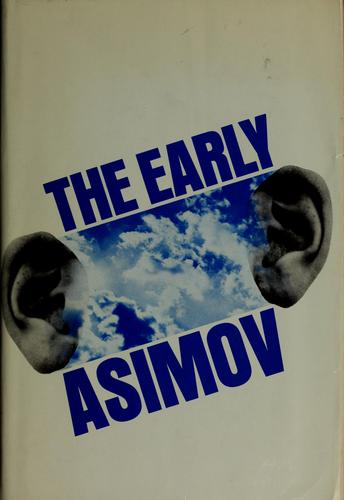
Asimov's Mysteries
1 Books
Pâté de Foie Gras
You are presented with 'Pâté de Foie Gras,' a 1956 novel by Isaac Asimov. This publication invites you to delve into its story. You will experience a piece of fiction from an author prominent in his field. This novel is also part of the 'Asimov's Mysteries' series.
Union Club
1 Books
The Union Club Mysteries
Immerse yourself in Isaac Asimov's 1983 novel, *The Union Club Mysteries*, an intriguing part of the 'Union Club' series. This book presents you with a series of puzzling scenarios set within a distinctive social environment. You will follow narratives where intellect and observation are key to unraveling the events. It invites you to engage with a collection of short, interconnected mysteries.

Fact and Fancy
You will explore a collection of narratives blending scientific thought with imaginative fiction. This novel presents you with tales that challenge perceptions of reality and possibility. Discover stories that span the realms of both factual inquiry and fantastical speculation.

View from a Height
In Isaac Asimov's 1963 novel, 'View from a Height,' part of 'The Magazine of Fantasy & Science Fiction' series, you are offered a collection of perspectives. This work explores various concepts, inviting you to consider them from an elevated viewpoint. You will engage with Asimov's characteristic clarity and intellectual curiosity. Discover a range of ideas within this thoughtful publication.

Adding a Dimension
You encounter "Adding a Dimension," a novel by Isaac Asimov published in 1964. This title is part of 'The Magazine of Fantasy & Science Fiction' series. Delve into a narrative that explores new possibilities.

From Earth to Heaven
Isaac Asimov's 1966 novel, 'From Earth to Heaven,' invites you into the realm of fantasy and science fiction. As part of 'The Magazine of Fantasy & Science Fiction' series, you will encounter a story that explores imaginative concepts. Prepare to journey through a narrative filled with speculative possibilities and innovative ideas.

Science, Numbers, and I
Isaac Asimov's 1968 novel, Science, Numbers, and I, offers you an entry into its distinct narrative. You will find yourself engaging with a work that is also part of 'The Magazine of Fantasy & Science Fiction' series. This piece represents a specific contribution from its author within this larger collection.

The Solar System and Back
Delve into "The Solar System and Back," a novel by Isaac Asimov published in 1970. This work is part of 'The Magazine of Fantasy & Science Fiction' series. You will explore narratives that touch upon space and imaginative scenarios.

The Left Hand of the Electron
You will delve into a collection of scientific essays and thought-provoking pieces that explore various facets of science and technology. Asimov guides you through complex concepts with clarity and wit, touching upon physics, astronomy, and the nature of discovery. Discover the fascinating insights into the scientific world and its implications for humanity. This book offers a compelling look at the frontiers of knowledge.
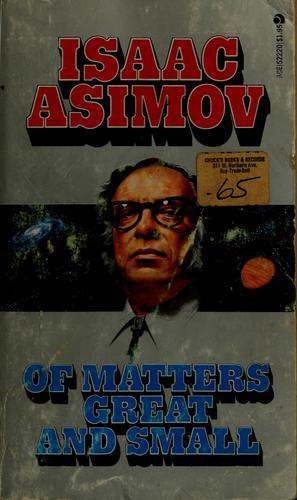
Of Matters Great and Small
Explore Isaac Asimov's novel, "Of Matters Great and Small," a compilation from 'The Magazine of Fantasy & Science Fiction' series. You will encounter diverse stories that showcase the author's versatility and insight. This 1975 publication offers a broad spectrum of imaginative narratives.

The Planet That Wasn't
Discover Isaac Asimov's "The Planet That Wasn't," a novel from 1976. This work is part of 'The Magazine of Fantasy & Science Fiction' series. You will encounter its distinct narrative within this established universe.

The Road to Infinity
Isaac Asimov's 1979 novel, 'The Road to Infinity,' is a work of science fiction that invites you on a journey. As part of 'The Magazine of Fantasy & Science Fiction' series, this book explores themes within that genre. You will discover narratives that expand the imagination and consider vast possibilities.

The Secret of the Universe
Isaac Asimov's 1991 novel, The Secret of the Universe, originally appearing in 'The Magazine of Fantasy & Science Fiction', offers a journey into grand concepts. You are invited to ponder fundamental questions about existence and discovery. This work promises an intellectually stimulating experience within the realm of science fiction.
Robot series
43 Books
I, Robot
You delve into Isaac Asimov's 1950 novel, 'I, Robot,' a foundational work in his 'Robot series.' This narrative invites you to consider the complex interactions between humanity and artificial intelligence. As a part of a larger series, it establishes key concepts that resonate throughout Asimov's robotic universe.
Earth Is Room Enough
You will explore the scope of humanity's place in the universe with Isaac Asimov's 1957 novel, "Earth Is Room Enough." As part of the 'Robot series', this work examines concepts of space, resources, and coexistence. It invites you to ponder the boundaries of our world and beyond.
The Bicentennial Man and Other Stories
Explore "The Bicentennial Man and Other Stories" by Isaac Asimov, a novel from 1976. This work expands upon the acclaimed 'Robot series.' You will find yourself immersed in its narratives, encountering various facets of its world.

Robots and Empire
Continue your journey into Isaac Asimov's celebrated Robot series with this 1985 novel. You will explore a universe where humanity and artificial intelligence intertwine. Discover the unfolding saga of robots and their place in the galaxy.


Reason
Reason is the capacity to consciously apply logic by drawing valid conclusions from new or existing information, with the aim of seeking truth. It is associated with activities considered characteristic of humans, including philosophy, religion, science, language, and mathematics, and is generally considered a distinguishing ability possessed by humans. The term "reason" is sometimes used to refer to rationality, although the latter is more about its application.




The Evitable Conflict
Isaac Asimov's "The Evitable Conflict," part of the 'Robot series,' delves into the intricate relationship between humanity and advanced robotics. You will explore a future where machines manage global affairs, posing questions about control and destiny. This novel challenges you to consider the ultimate implications of artificial intelligence.

Satisfaction Guaranteed
Isaac Asimov's 1951 novel, "Satisfaction Guaranteed," is part of his renowned 'Robot series.' You will explore the intricate relationship between humans and advanced robotic companions. This story delves into the social and emotional implications of integrating robots into everyday life.

Segregationist
In Isaac Asimov's 1953 novel "Segregationist," you delve into the intricate world of his renowned 'Robot series.' This installment explores complex societal structures and the role of intelligent machines within them. You will encounter narratives that challenge perceptions of identity and integration. The story invites you to consider the future of human-robot coexistence.

Sally
Isaac Asimov's "Sally" is a novel that plunges you into the 'Robot series' from 1953. In this installment, you will explore themes central to artificial intelligence and human interaction. You are invited to consider the implications of advanced robotics within a captivating narrative.

The Caves of Steel
You are invited to delve into 'The Caves of Steel,' a novel by Isaac Asimov from 1954. This work is a part of the 'Robot series,' offering a specific entry into that continuity. Explore a narrative within this established science fiction universe.

Risk
You are invited to delve into 'Risk,' a novel by Isaac Asimov from 1955. This work is a part of the 'Robot series,' offering a specific entry into that continuity. Explore a narrative within this established science fiction universe.

First Law
You are invited to explore a novel from Isaac Asimov's renowned 'Robot series', published in 1956. This work delves into the foundational principles governing artificial intelligence. Prepare to consider the implications of these laws within a complex narrative.

Let's Get Together
Isaac Asimov's 1957 novel, "Let's Get Together," draws you into a narrative exploring collaboration and interaction. As a component of the 'Robot series', this work delves into themes pertinent to artificial intelligence and human-machine relationships. You will consider the dynamics of unity in a technologically advanced setting.

Galley Slave
Enter the world of Asimov's Robot series with this 1957 novel. You encounter a unique legal and ethical dilemma involving a robot's testimony. The narrative explores the implications of advanced robotics within human society. Discover the complexities of justice and artificial intelligence in "Galley Slave."

The Naked Sun
Continue your journey into Asimov's Robot series with this 1957 novel. You are transported to an alien world where human interaction is radically different. The narrative delves into a complex mystery, challenging your perceptions of society and personal connection. Explore the intricate social structures and a compelling investigation in "The Naked Sun."
Lenny
Explore *Lenny*, a novel by Isaac Asimov, published in 1958, and part of the 'Robot series'. This work delves into the world of robotics within Asimov's established universe. You will encounter themes and characters central to this renowned series.
The Rest of the Robots
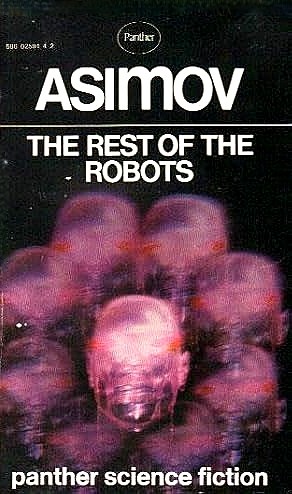
You can delve into the world of Isaac Asimov with 'The Rest of the Robots,' a novel from 1964. This book is a significant entry within the author's acclaimed 'Robot series.' Discover how this installment contributes to the ongoing narrative of artificial intelligence.

Feminine Intuition
Explore Isaac Asimov's novel, "Feminine Intuition," published in 1969. This work is part of his notable 'Robot series.' You are invited to experience a narrative that expands upon this established fictional universe.

Mirror Image
Engage with "Mirror Image," a 1972 novel by Isaac Asimov. This work is a component of the celebrated 'Robot series,' offering another exploration of its universe. You will encounter a narrative that delves into specific aspects of the robot world. Discover this particular story within Asimov's interconnected saga.

Light Verse
Explore "Light Verse," a 1973 novel by Isaac Asimov. This work is a part of the renowned 'Robot series,' placing it within a larger science fiction universe. You will find a narrative that expands upon the established themes and world of the series. Discover this specific installment in Asimov's robotic saga.

Stranger in Paradise
In "Stranger in Paradise," a novel from Isaac Asimov's 'Robot series,' you encounter a narrative that explores the interaction between humans and advanced robotics. You will follow characters dealing with complex ethical and social dilemmas. The story delves into the nature of artificial intelligence and its place in society.

A Boy's Best Friend
Explore Isaac Asimov's novel, "A Boy's Best Friend," a compelling entry in his renowned 'Robot series.' You will discover a narrative that delves into the fascinating relationship between humans and artificial intelligence. This 1975 work invites you to consider the future of companionship.
The Tercentenary Incident
You discover "The Tercentenary Incident," a novel by Isaac Asimov. This 1976 publication is an installment within the renowned 'Robot series.' Engage with a story that further develops the themes of this iconic universe.
The Bicentennial Man
Engage with "The Bicentennial Man" by Isaac Asimov, a novel from 1976. This work is a significant entry in the renowned 'Robot series.' You will explore themes central to its universe and the author's vision.

The Last Answer
You encounter 'The Last Answer,' a novel by Isaac Asimov published in 1980. This work is a component of the author's 'Robot series.' Prepare to delve into a narrative that contributes to this well-known fictional universe. You will explore a story connected to Asimov's robotic themes.
The Complete Robot
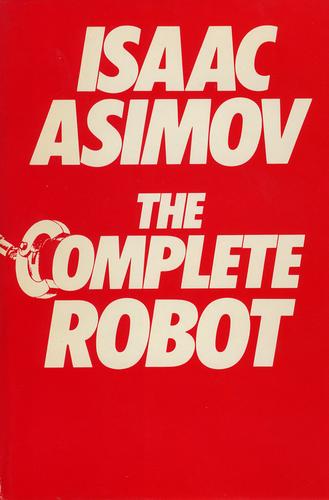
You are invited to explore a novel by Isaac Asimov, published in 1982, which is part of the 'Robot series'. This work presents a comprehensive narrative revolving around the concept of robots. Delve into a story that examines the full scope of these creations.
The Robots of Dawn
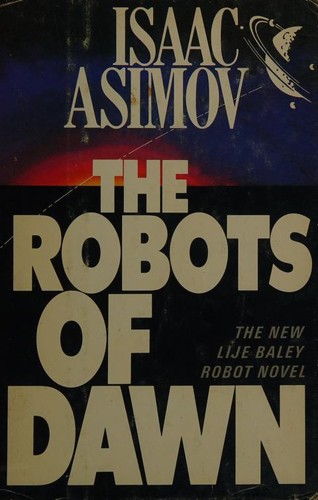
Embark on a journey with Isaac Asimov's 1983 novel, *The Robots of Dawn*, a crucial installment in his renowned 'Robot series'. You will follow detective Elijah Baley and his robot partner, R. Daneel Olivaw, as they tackle a complex interplanetary mystery. This novel further develops the intricate relationship between humans and advanced robotics. It invites you to explore the ethical and societal implications within Asimov's futuristic universe.

Robot Dreams
Explore "Robot Dreams," a novel by Isaac Asimov from 1986, part of his iconic 'Robot series'. You will delve into narratives that ponder the complexities of artificial intelligence and humanity's relationship with its creations. Known also as "Sueños de robot," this book offers insights into the future of robotics.

Christmas Without Rodney
You immerse yourself in a story from the celebrated 'Robot series' with 'Christmas Without Rodney'. This novel by Isaac Asimov offers you a unique perspective into the world of robots. Discover the challenges characters face in this particular celebration.

Too Bad!
Isaac Asimov's "Too Bad!" places you within the intricate world of his renowned Robot series. This novel continues to explore the complex relationship between humanity and advanced artificial intelligence. You will delve into a narrative that questions ethical boundaries and technological implications.
Robot Visions
You are presented with Robot Visions, a novel penned by Isaac Asimov in 1990. This installment continues the expansive narrative of the 'Robot series' series. You will further explore its established universe and characters within this particular volume.
The Positronic Man
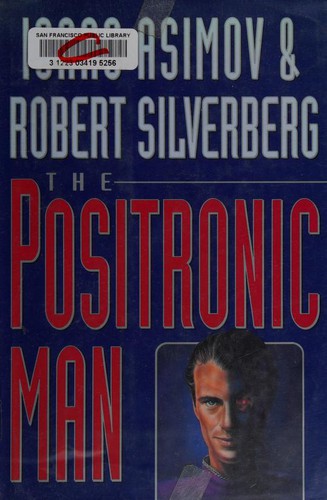
Delve into "The Positronic Man" by Isaac Asimov, a novel from his 'Robot series'. Published in 1992, this book invites you to explore its science fiction world. Discover this installment of an established saga.
Black Widowers
6 Books
Tales of the Black Widowers
You delve into Isaac Asimov's 1974 novel, "Tales of the Black Widowers." This book is part of the 'Black Widowers' series, presenting you with narratives from this established universe. As a reader, you encounter stories tied to this particular series.
More Tales of the Black Widowers
You discover "More Tales of the Black Widowers," a novel by Isaac Asimov. This 1976 publication continues the narratives within the 'Black Widowers' series. Engage with further mysteries and discussions from this established literary world.

Casebook of the Black Widowers
You encounter Casebook of the Black Widowers, a novel by Isaac Asimov. As part of the 'Black Widowers' series, this 1980 work introduces you to its characteristic mysteries. It invites you to unravel the enigmas presented by the author.

Banquets of the Black Widowers
Engage with 'Banquets of the Black Widowers,' a 1984 novel by the legendary Isaac Asimov. This installment is part of the acclaimed 'Black Widowers' series, inviting you to delve deeper into its mysteries. You will encounter the clever puzzles and witty dialogue characteristic of the author. Explore another engaging chapter in this beloved series.

Puzzles of the Black Widowers
Isaac Asimov presents 'Puzzles of the Black Widowers', a 1990 novel in the 'Black Widowers' series. You are invited to join the members of this unique club as they unravel various mysteries. Engage your intellect with the challenges presented in this volume.

The Return of the Black Widowers
You are invited to 'The Return of the Black Widowers' by Isaac Asimov, a novel from 2003. As part of the 'Black Widowers' series, this book invites you back into a world of intriguing puzzles and intellectual discussion. Engage with its characters as they unravel complexities within their familiar setting.
Galactic Empire
4 Books
Pebble in the Sky
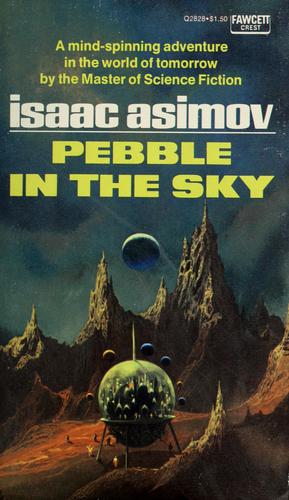
You explore 'Pebble in the Sky,' an Isaac Asimov novel published in 1950. This work is part of the 'Galactic Empire' series, placing you within a broader universe. It invites you to consider the vast settings of space science fiction.
The Stars, Like Dust
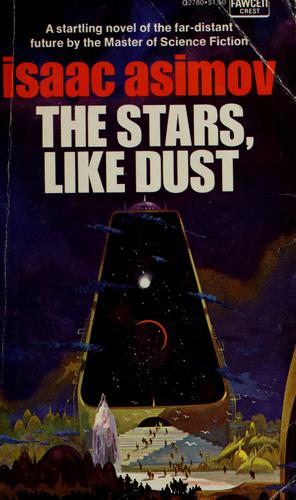
You explore 'The Stars, Like Dust,' an Isaac Asimov novel published in 1951. This work is part of the 'Galactic Empire' series, placing you within a broader universe. It invites you to consider the vast settings of space science fiction.
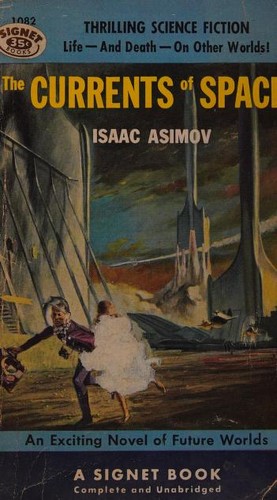
The Currents of Space
You are invited into the vastness of Asimov's 'Galactic Empire' series with this novel. Here, you will explore a narrative set against a backdrop of cosmic scales and intricate interstellar relations. Discover the forces that shape distant worlds and the individuals caught within their currents.
Thiotimoline to the Stars
Encounter "Thiotimoline to the Stars," a 1973 novel by Isaac Asimov. This book is part of 'The Endochronic Properties of Resublimated Thiotimoline' series, expanding on its unique premise. You will find a narrative that continues the exploration of this specific scientific concept. Discover this installment within Asimov's imaginative world.