
Yukio Mishima
Kimitake Hiraoka, known by his pen name Yukio Mishima, was a Japanese writer, playwright, actor, martial artist, model, and the leader of an attempted coup d'état that culminated in his seppuku.
Complete Bibliography
Follow the recommended order to not miss a thing.
Standalone Works
42 Books


The Blue Period
You delve into the world of a young student navigating the complexities of post-war Japan. As he grapples with his identity and desires, you witness his journey through the tumultuous "Blue Period" of his life. You explore themes of youth, ambition, and the search for meaning in a changing society.
Natsuko's Adventure
Kimitake Hiraoka, known by his pen name Yukio Mishima, was a Japanese novelist, short story writer, playwright, actor, martial artist, model, and the leader of an attempted coup d'état that culminated in his seppuku. Mishima is considered one of the most important postwar stylists of the Japanese language.

Death in Midsummer and other stories
Yukio Mishima's "Death in Midsummer and other stories" offers you a collection of compelling narratives. This 1953 novel invites you to immerse yourself in diverse tales that showcase the author's distinctive voice. You will encounter profound themes and intricate character studies within its pages.
Iwashi Uri Koi Hikiami
You are introduced to a narrative that explores human desires and societal expectations. The story presents characters navigating complex emotional landscapes and challenging conventions. You will witness the intricate interplay between individual aspirations and traditional norms.

The Sound of Waves
You are transported to a remote island community, where ancient traditions and the rhythms of nature shape everyday life. Witness the unfolding of a tender romance against a backdrop of natural beauty and social expectations. This story invites you to experience a world deeply connected to its environment.
The Room with the Locked Door
You are drawn into a narrative that explores psychological depths and the confines of human experience. Discover the secrets held within a seemingly impenetrable space and the minds connected to it. This story invites you to contemplate themes of isolation and hidden truths.

Goddess
You will encounter 'Goddess,' a novel by Yukio Mishima, originating from 1955. This work provides insight into Mishima's literary output from that period. Prepare to engage with the themes that might arise from its evocative title.
The Sunk Waterfall
Explore 'The Sunk Waterfall,' a novel by Yukio Mishima published in 1955. This work offers you a unique narrative from Mishima's authorship. Immerse yourself in a story presented as a standalone novel.
The Temple of the Golden Pavilion
You will encounter 'The Temple of the Golden Pavilion,' a novel from 1956 by Yukio Mishima. This work offers you a narrative to explore. Through its pages, you can engage with a literary creation from a significant author of its time.

The S.S. Happiness Sets Sail
In 'The S.S. Happiness Sets Sail,' a 1956 novel by Yukio Mishima, you find a unique literary piece. This book encourages you to consider its narrative. It stands as an example of the author's work from that period.
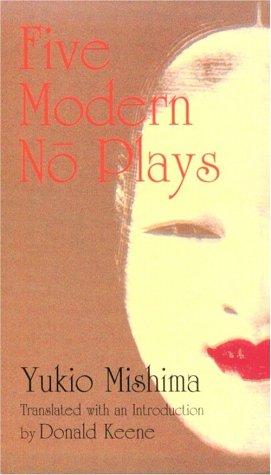
Five Modern No Plays
In Yukio Mishima's novel, "Five Modern No Plays," you are invited to explore a distinctive collection from 1956. This work presents a unique take on its named subject through the author's lens. Prepare to engage with a narrative structure that promises a singular literary experience.
Onnagata
Immerse yourself in the intricate world of Japanese theater with Yukio Mishima's 1957 novel. You explore the life and artistry of an Onnagata, a male actor specializing in female roles. The narrative delves into themes of identity, performance, and the dedication required for such a craft. Discover the unique cultural insights presented in "Onnagata."
Rokumeikan
Step into a world of historical intrigue and societal pressures with Yukio Mishima's "Rokumeikan." You will observe characters navigating complex social dynamics during a pivotal era. This novel presents a vivid portrayal of ambition and tradition.

Kyōko no Ie
You are invited to read Kyōko no Ie, a novel by Yukio Mishima from 1959. This work explores the lives and interactions of its characters within a specific setting. You will encounter a narrative delving into human relationships and circumstances.

Star
You can discover 'Star,' a novel by Yukio Mishima published in 1960. This work provides insight into the Japanese literary landscape of the mid-20th century. As you turn its pages, you will engage with the author's unique voice and thematic interests. Consider this an opportunity to delve into Mishima's narrative artistry.

Patriotism
You are invited to explore 'Patriotism,' a novel by Yukio Mishima from 1960. This work, also known by its Spanish title 'Patriotismo,' offers a window into the author's distinctive narrative approach. As you delve into its pages, you will encounter a piece of mid-20th-century Japanese literature. Engage with the themes and style that characterize Mishima's writing.

After the Banquet
You are invited to explore 'After the Banquet,' a novel by Yukio Mishima from 1960. This work, also known by its Spanish title 'Después del banquete,' offers a window into the author's distinctive narrative approach. As you delve into its pages, you will encounter a piece of mid-20th-century Japanese literature. Engage with the themes and style that characterize Mishima's writing.
Kurotokage
In Yukio Mishima's novel, "Kurotokage," you are invited into a narrative from 1961. This work presents a story crafted by a renowned author. You will discover a novelistic exploration typical of Mishima's distinct style.

The Frolic of the Beasts
Immerse yourself in "The Frolic of the Beasts," a novel by the acclaimed Yukio Mishima. Also known as "El tumulto de las bestias," this work was published in 1961. You will encounter a distinctive narrative from this significant Japanese author.

Beautiful star
You will encounter a family grappling with their unique perceptions of the universe. Their extraordinary beliefs shape their understanding of humanity's place in the cosmos. This narrative invites you to consider the broader implications of individual vision.
Sword
Yukio Mishima's 1963 novel, "Sword", draws you into a narrative centered around themes of discipline, honor, and martial arts. You will explore the psychological depths of its characters as they navigate rigorous training and personal codes. The story offers a compelling look at the dedication and ideals associated with the sword.

The Sailor Who Fell from Grace with the Sea
Yukio Mishima's 1963 novel, 'The Sailor Who Fell from Grace with the Sea,' invites you into a world of complex human relationships. This work explores themes of desire, disillusionment, and the clash between societal expectations and individual longing. You will encounter a narrative rich with psychological depth and evocative imagery. Consider this novel for a profound examination of human nature.
Koto of Joy
In Yukio Mishima's 1964 novel, "Koto of Joy", you are invited to explore a narrative centered around the koto, a traditional Japanese instrument. The story immerses you in a world where artistic expression and personal journeys intertwine. You will discover the intricate relationships and cultural nuances that define this unique literary work.

Silk and Insight
Discover "Silk and Insight," a novel by Yukio Mishima, published in 1964. This narrative presents a specific exploration of its titular elements. Consider the perspectives offered within this work.

Acts of Worship
In this 1965 novel by Yukio Mishima, you explore themes related to acts of worship. The narrative delves into various aspects of human devotion and ritual. You will discover the author's perspective on these profound subjects.

Madame de Sade
You can delve into "Madame de Sade," a novel by Yukio Mishima. Published in 1965, this work presents a narrative from the distinctive author. Prepare for a story that explores complex characters and their world.
The Voices of the Heroic Dead
You are presented with "The Voices of the Heroic Dead," a novel by Yukio Mishima. Published in 1966, this work invites you to engage with its narrative. Prepare to encounter a story shaped by Mishima's distinctive literary perspective.
The Decline and Fall of The Suzaku
Kimitake Hiraoka, known by his pen name Yukio Mishima, was a Japanese novelist, short story writer, playwright, actor, martial artist, model, and the leader of an attempted coup d'état that culminated in his seppuku. Mishima is considered one of the most important postwar stylists of the Japanese language.

Evening Dress
You are invited to explore a novel by Yukio Mishima, which delves into the intricate world of human relationships and societal expectations. This narrative examines characters navigating personal desires against a backdrop of cultural nuances. You will witness their struggles and aspirations within a defined social sphere. Prepare for a nuanced exploration of identity and appearance.
Nakama
You are invited to explore a novel by Yukio Mishima that delves into themes of camaraderie and shared purpose. This narrative introduces you to characters bound by a common pursuit, navigating their individual roles within a collective. You will witness their interactions and the dynamics that shape their relationships. Prepare for an introspective look at human connection and group identity.

Life for Sale
You can explore 'Life for Sale / Una vida en venta', a novel by Yukio Mishima. This work, published in 1968, invites you into its narrative. As you turn its pages, you will encounter the author's distinctive voice. Immerse yourself in this literary creation from a significant year.

Sun and Steel
Yukio Mishima's novel, 'Sun and Steel,' published in 1968, invites you to explore its content. Within its pages, you will find a work presenting a distinct narrative. You will delve into the ideas and themes Mishima addresses in this publication.

My Friend Hitler
Yukio Mishima's novel, 'My Friend Hitler,' published in 1968, invites you to explore its content. In this work, you will encounter a narrative that unfolds independently. You will delve into the perspectives and themes Mishima addresses in this publication.

The Terrace of The Leper King
Kimitake Hiraoka, known by his pen name Yukio Mishima, was a Japanese novelist, short story writer, playwright, actor, martial artist, model, and the leader of an attempted coup d'état that culminated in his seppuku. Mishima is considered one of the most important postwar stylists of the Japanese language.

Chinsetsu Yumiharizuki
You can delve into "Chinsetsu Yumiharizuki," a novel by Yukio Mishima, published in 1969. This work offers a unique narrative from a distinguished author. You will encounter the distinctive style and thematic concerns characteristic of Mishima's writing. Consider its contribution to his diverse literary output.

The Music
You are invited to explore "The Music," a novel by Yukio Mishima. This work, published in 1972, offers you a glimpse into the author's distinctive literary world. Engage with the narrative Mishima crafted.

Doll House
Yukio Mishima's 1999 novel invites you to engage with its particular story. You will experience a narrative from an author recognized for his literary contributions. This work represents a facet of his extensive body of work, published in the late 20th century.


The Middle Ages
In the history of Europe, the Middle Ages or medieval period lasted approximately from the 5th to late 15th centuries, comparable with the post-classical period of global history. The medieval period is the middle epoch of the three traditional divisions of Western history: classical antiquity, the medieval period, and the modern period. The medieval period is itself subdivided into the Early, High, and Late Middle Ages.
The Sea of Fertility
2 Books
Spring Snow
You will discover "Spring Snow," a novel by Yukio Mishima, published in 1969. This book serves as an important entry in 'The Sea of Fertility' series. You are invited to immerse yourself in its specific narrative and its thematic contributions. Reflect on how it sets the stage for the series' unfolding.

Runaway Horses
You will find "Runaway Horses," a novel by Yukio Mishima, published in 1969. This work is an installment in 'The Sea of Fertility' series. You are invited to explore its narrative within the context of this larger saga. Consider its unique contribution to the series' progression.