Gustave Flaubert
Gustave Flaubert was a French novelist. He has been considered the leading exponent of literary realism in his country and abroad. He is known especially for his debut novel Madame Bovary (1857), his Correspondence, and his scrupulous devotion to his style and aesthetics. The celebrated short story writer Guy de Maupassant was a protégé of Flaubert.
Complete Bibliography
Follow the recommended order to not miss a thing.
Standalone Works
17 Books



Bouvard et Pécuchet
Bouvard et Pécuchet is an unfinished satirical novel by Gustave Flaubert, published in 1881 after his death in 1880.




Dictionary of Received Ideas
The Dictionary of Received Ideas is a short satirical work collected and published in 1911–13 from notes compiled by Gustave Flaubert during the 1870s, lampooning the clichés endemic to French society under the Second French Empire. It takes the form of a dictionary of automatic thoughts and platitudes, self-contradictory and insipid. It is often paired with the Sottisier.
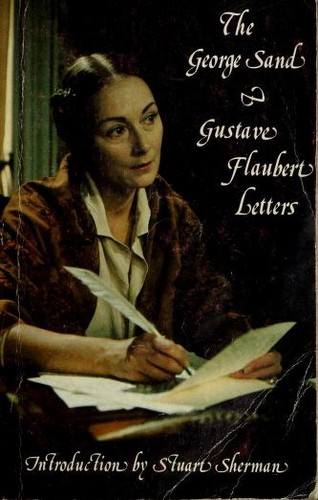
Flaubert's letters
The letters of Gustave Flaubert, the 19th-century French novelist, range in date from 1829, when he was seven or eight years old, to a day or two before his death in 1880. They are considered one of the finest bodies of letters in French literature, admired even by many who are critical of Flaubert's novels. His main correspondents include family members, business associates and fellow-writers such as Théophile Gautier, the Goncourt brothers, Guy de Maupassant, Charles Augustin Sainte-Beuve, George Sand, Ivan Turgenev and Émile Zola.
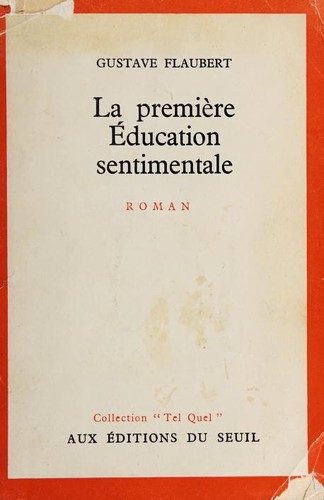
Sentimental Education
Sentimental Education: History of a Young Man is an 1869 novel by Gustave Flaubert. It focuses on the romantic life of a young man named Frédéric Moreau at the time of the French Revolution of 1848 and the founding of the Second French Empire. It describes Moreau's love for an older woman, a character based on the wife of the music publisher Maurice Schlesinger, who is portrayed in the book as Jacques Arnoux.