Back
Anton Chekhov

Anton Chekhov

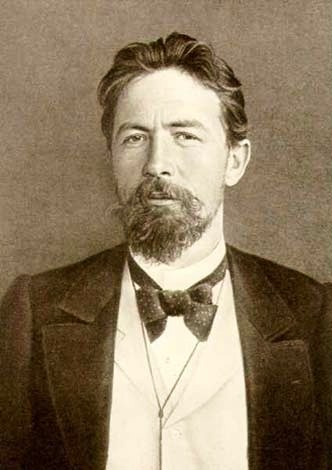
Anton Pavlovich Chekhov was a Russian playwright and short story writer. Widely considered one of the greatest writers of all time, his career as a playwright produced four classics, and his best short stories are held in high esteem by writers and critics. Along with Henrik Ibsen and August Strindberg, Chekhov is often referred to as one of the three seminal figures in the birth of early modernism in the theatre. Chekhov was a physician by profession. "Medicine is my lawful wife," he once said, "and literature is my mistress."

Complete Bibliography

Follow the recommended order to not miss a thing.

Standalone Works

424 Books
Papa
1880

Papa

1880
The Trial
1880

The Trial

1880
In Autumn
1882

In Autumn

1882
The Willow
1883

The Willow

1883
Mayonnaise
1883

Mayonnaise

1883
An Inquiry
1883

An Inquiry

1883
The Thief
1883

The Thief

1883
At Sea
1883

At Sea

1883
The Turnip
1883

The Turnip

1883
The Cross
1883

The Cross

1883
Twenty Six
1883

Twenty Six

1883
The Cat
1883

The Cat

1883
A Slander
1883

A Slander

1883
Joy
1883

Joy

1883
My Wives
1884

My Wives

1884
A Problem
1884

A Problem

1884
Chameleon
1884

Chameleon

1884
Reading
1884

Reading

Reading is the process of taking in the sense or meaning of symbols, often specifically those of a written language, by means of sight or touch.

1884
Oysters
1884

Oysters

1884
The Tutor
1884

The Tutor

1884
The Wallet
1884

The Wallet

1884
Wint
1884

Wint

1884
Mask
1884

Mask

1884
Choristers
1884

Choristers

1884
The Album
1884

The Album

1884
Young Man
1884

Young Man

1884
Surgery
1884

Surgery

1884
The Exam
1884

The Exam

1884
The Dealer
1885

The Dealer

1885
Vanka
1885

Vanka

1885
Ninochka
1885

Ninochka

1885
A Threat
1885

A Threat

1885
Drowning
1885

Drowning

1885
The Crow
1885

The Crow

1885
Abolished!
1885

Abolished!

1885
Cheated
1885

Cheated

1885
Gimp
1885

Gimp

1885
Whistlers
1885

Whistlers

1885
Grief
1885

Grief

1885
A Cynic
1885

A Cynic

1885
The Turkey
1885

The Turkey

1885
The Writer
1885

The Writer

1885
Nerves
1885

Nerves

1885
The Fish
1885

The Fish

1885
Boots
1885

Boots

1885
The Wimp
1885

The Wimp

1885
The Wall
1885

The Wall

1885
A Diplomat
1885

A Diplomat

1885
Old Age
1885

Old Age

1885
In a Hotel
1885

In a Hotel

1885
Small Fry
1885

Small Fry

1885
Mire
1886

Mire

1886
At Dusk
1886

At Dusk

1886
Hush!
1886

Hush!

1886
A Joke
1886

A Joke

1886
Failure
1886

Failure

1886
Revenge
1886

Revenge

1886
Trouble
1886

Trouble

1886
Art
1886

Art

1886
Talent
1886

Talent

1886
Darkness
1886

Darkness

1886
Love
1886

Love

1886
Poison
1886

Poison

1886
Misery
1886

Misery

1886
Dreams
1886

Dreams

1886
Contest
1886

Contest

1886
Easter Eve
1886

Easter Eve

1886
The Mirror
1886

The Mirror

1886
The Wolf
1886

The Wolf

1886
Calchas
1886

Calchas

1886
Agafya
1886

Agafya

1886
On Trial
1886

On Trial

1886
Anyuta
1886

Anyuta

1886
Not Wanted
1886

Not Wanted

1886
Misfortune
1886

Misfortune

1886
Persona
1886

Persona

1886
The Lodger
1886

The Lodger

1886
To Paris!
1886

To Paris!

1886
Martyrs
1886

Martyrs

1886
A Dream
1886

A Dream

1886
The Orator
1886

The Orator

1886
Grisha
1886

Grisha

1886
The Witch
1886

The Witch

1886
Drama
1886

Drama

Drama is the specific mode of fiction represented in performance: a play, opera, mime, ballet, etc., performed in a theatre, or on radio or television. Considered as a genre of poetry in general, the dramatic mode has been contrasted with the epic and the lyrical modes ever since Aristotle's Poetics —the earliest work of dramatic theory.

1886
Statistics
1886

Statistics

Statistics is the discipline that concerns the collection, organization, analysis, interpretation, and presentation of data. In applying statistics to a scientific, industrial, or social problem, it is conventional to begin with a statistical population or a statistical model to be studied. Populations can be diverse groups of people or objects such as "all people living in a country" or "every atom composing a crystal".

1886
Ladies
1886

Ladies

1886
Children
1886

Children

1886
The Pipe
1887

The Pipe

1887
The Post
1887

The Post

1887
Champagne
1887

Champagne

1887
The Kiss
1887

The Kiss

1887
Drunk
1887

Drunk

1887
A Drama
1887

A Drama

1887
Polinka
1887

Polinka

1887
Lights
1887

Lights

1887
Verochka
1887

Verochka

1887
The Siren
1887

The Siren

1887
Early!
1887

Early!

1887
Enemies
1887

Enemies

1887
A Mystery
1887

A Mystery

1887
Frost
1887

Frost

1887
Aborigines
1887

Aborigines

1887
First Aid
1887

First Aid

1887
Tumbleweed
1887

Tumbleweed

1887
The Steppe
1887

The Steppe

1887
Intrigues
1887

Intrigues

1887
The Letter
1887

The Letter

1887
The Beggar
1887

The Beggar

1887
Volodia
1887

Volodia

1887
The Party
1887

The Party

1887
Happiness
1887

Happiness

1887
The Good German
1887

The Good German

The Good German is a 2006 American neo-noir crime film. A film adaptation of Joseph Kanon's 2001 novel, it was directed by Steven Soderbergh, and stars George Clooney, Cate Blanchett, and Tobey Maguire. Set in Berlin following the Allied victory over the Nazis, it begins as a murder mystery but weaves in elements involving the American postwar employment of Nazi rocket scientists in Operation Paperclip.

1887
A Father
1887

A Father

1887
An Avenger
1887

An Avenger

1887
In Trouble
1887

In Trouble

1887
The Boys
1888

The Boys

1888
Kashtanka
1888

Kashtanka

1888
The Bear
1888

The Bear

1888
Ivanov
1888

Ivanov

1888
Sleepy
1888

Sleepy

1888
The Bet
1889

The Bet

1889
The Duel
1890

The Duel

1890
Women
1891

Women

1891
Neighbors
1891

Neighbors

1891
My Wife
1891

My Wife

1891
Gusev
1891

Gusev

1891
Excerpt
1891

Excerpt

1891
Ward No. 6
1891

Ward No. 6

1891
The Story of an Unknown Man
1892

The Story of an Unknown Man

The Story of an Unknown Man, translated also as The Story of a Nobody and An Anonymous Story, is an 1893 novella by Anton Chekhov first published by Russkaya Mysl, in Nos. 2 and 3 1893 issues. In a revised version Chekhov included into Volume 6 of his Collected Works, published by Adolf Marks in 1899–1901.

1892
In Exile
1892

In Exile

1892
Terror
1893

Terror

1893
The Murder
1894

The Murder

"The Murder" is a cue in the cinematic score written and composed by Bernard Herrmann for the horror-thriller film Psycho (1960) directed by Alfred Hitchcock. The score, its second movement in particular, is well recognized as one of the most famous scores in film history. It was composed for an orchestral string section.
1894
Whitebrow
1894

Whitebrow

1894
Ariadna
1894

Ariadna

1894
My Life
1895

My Life

1895
Peasants
1896

Peasants

1896
At Home
1897

At Home

1897
About Love
1897

About Love

1897
The Bishop
1902

The Bishop

1902
Platonov
1923

Platonov

1923