
Franz Kafka
Franz Kafka fue un escritor bohemio de lengua alemana. Su obra, una de las más influyentes de la literatura universal, es una de las pioneras en la fusión de elementos realistas con fantásticos y tiene como principales temas los conflictos paternofiliales, la ansiedad, el existencialismo, la brutalidad física y psicológica, la culpa, la filosofía del absurdo, la burocracia y las transformaciones espirituales.
Bibliografía Completa
Sigue el orden recomendado para no perderte nada.
Obras Principales
43 Libros


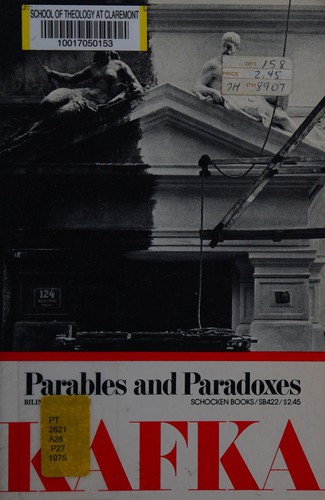


Briefe an Milena
La novela de Franz Kafka de 1952, "Briefe an Milena," le proporciona una mirada íntima al mundo personal del autor. Usted encontrará una narrativa que revela profundos intercambios emocionales e intelectuales. Esta obra explora temas de amor, comunicación y las complejidades de la conexión humana. Sumérjase en una profunda exploración de una relación significativa.

Selected Short Stories of Franz Kafka
La novela de Franz Kafka de 1952, "Selected Short Stories of Franz Kafka," le ofrece una puerta de entrada a su distintivo mundo literario. Usted encontrará narrativas marcadas por su singular mezcla de lo ordinario y lo absurdo. Esta colección le invita a explorar temas de alienación, burocracia y la psique humana. Prepárese para una experiencia de lectura profunda y estimulante.

Brief an den Vater
En "Brief an den Vater" de Franz Kafka, se le presenta una obra epistolar profunda. Esta novela lo invita a explorar una relación compleja a través de una carta profundamente personal. Encontrará una voz singular lidiando con la autoridad paterna y la identidad personal, ofreciendo una experiencia literaria única de 1953.

Briefe, 1902-1924
"Briefe, 1902-1924" de Franz Kafka se identifica como una novela publicada en 1958. Te encontrarás con una obra atribuida a Kafka, aunque con un título que sugiere un formato diferente. Considera el estilo característico del autor dentro de esta narrativa.

Description of a struggle
Entras en una narrativa marcada por un viaje surrealista a través de una ciudad sin nombre, observando los conflictos internos y externos de un protagonista. Experimenta una serie de encuentros y transformaciones que difuminan las líneas entre la realidad y el sueño. Esta obra te invita a reflexionar sobre la naturaleza de la existencia y la agencia personal.

Die Verwandlung
Imagina despertar una mañana para encontrarte inexplicablemente transformado. Esta novela te sitúa en un mundo donde lo ordinario se vuelve repentinamente bizarro e inquietante. Te enfrentarás a las profundas implicaciones de tal cambio en la identidad, la familia y la sociedad.

Briefe an Felice und andere Korrespondenz aus der Verlobungszeit
La novela de Franz Kafka de 1967 te presenta una colección de cartas a Felice y otra correspondencia de su período de compromiso. Obtendrás un acceso íntimo a los pensamientos y relaciones privadas del autor durante un momento significativo de su vida. Explora las reflexiones y los intercambios personales que dieron forma a este artefacto literario único.

Franz Kafka
Se te presenta 'Franz Kafka', una novela escrita por el propio Franz Kafka. Esta obra singular, publicada en 1969, te ofrece un compromiso directo con el estilo narrativo del autor. Explora una historia de un escritor cuyo nombre es sinónimo de una atmósfera literaria particular.

Briefe an Ottla und die Familie
"Briefe an Ottla und die Familie" de Franz Kafka presenta una colección única extraída de la correspondencia personal. Obtendrás una visión de los pensamientos y relaciones privadas del autor a través de estas cartas. Esta obra ofrece un vistazo a las complejidades de las conexiones familiares.

Complete stories and parables
La obra de Franz Kafka de 1976, "Complete stories and parables," te presenta una colección completa de sus narrativas más cortas. Encontrarás una variedad de cuentos, cada uno diseñado para provocar la reflexión y ofrecer percepciones alegóricas. Adéntrate en el estilo único y la profundidad temática característicos de la escritura de Kafka.

Basic Kafka
Se te presenta una obra de un autor reconocido, conocido por su estilo literario distintivo. Esta novela te sumerge en temas a menudo asociados con el existencialismo y lo absurdo. A medida que lees, encontrarás narrativas que desafían la comprensión convencional y exploran experiencias humanas complejas.
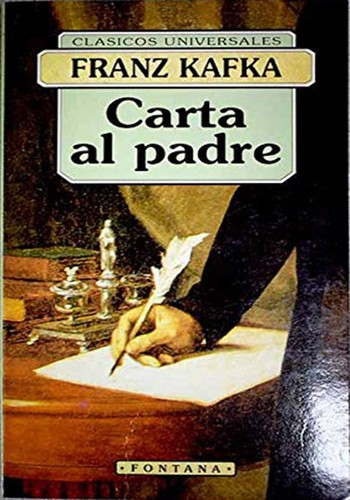
Cartas Al Padre
En "Cartas Al Padre," una novela de Franz Kafka de 1980, se te presenta una comunicación profundamente personal. Esta obra te permite explorar la compleja relación entre un hijo y su padre. Obtendrás una visión de las profundas dinámicas en juego.

The blue octavo notebooks
“The Blue Octavo Notebooks” de Franz Kafka le invita a las reflexiones íntimas de una mente literaria profunda. Dentro de estas páginas, usted descubrirá un mosaico de pensamientos, observaciones y fragmentos que iluminan su perspectiva única. Esta obra ofrece una oportunidad para comprometerse directamente con el material en bruto del proceso de un escritor, proporcionando una visión de sus temas perdurables.

Give it up!
Franz Kafka te invita a experimentar "Give it up!," una novela publicada en 1995. Encontrarás una narrativa imbuida de los temas característicos del autor: la alienación y la lucha existencial. Esta obra te ofrece una profunda exploración de las ansiedades humanas y las absurdidades de la vida moderna. Prepárate para un viaje que invita a la reflexión al mundo distintivo de Kafka.

The Transformation
Te invitamos a explorar "The Transformation", una novela de Franz Kafka. Esta obra te ofrece una experiencia narrativa distintiva de un autor reconocido. Prepárate para sumergirte en una historia que ejemplifica la forma novelística.

Lettre au père
La novela de Franz Kafka de 1995, "Lettre au père," ofrece una experiencia literaria única. Esta obra te permite explorar la voz distintiva del autor. Encontrarás una narrativa profundamente personal. Conéctate con un texto que refleja temas profundos.

The Metamorphosis and Other Stories
La colección de Franz Kafka de 1996, The Metamorphosis and Other Stories, te ofrece una selección de sus narrativas distintivas. A medida que lees, encontrarás las perspectivas y situaciones únicas características de su obra. Este volumen proporciona una visión de las exploraciones temáticas del autor.
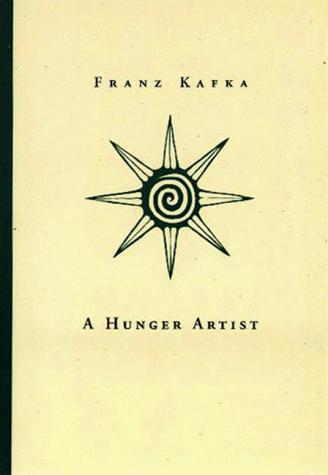
A Hunger Artist (Short Prose of Franz Kafka Series)
La obra de Franz Kafka de 1996, A Hunger Artist, se presenta como parte de la serie Short Prose of Franz Kafka. Esta entrega te invita a explorar una narrativa específica del reconocido autor. Te adentrarás en las preocupaciones temáticas y estudios de personajes característicos de su producción literaria.

The metamorphosis and related readings
En "The metamorphosis and related readings" de Franz Kafka, te encuentras con una obra seminal junto a textos complementarios. Te adentras en una narrativa que explora temas de alienación y transformación. Esta novela, combinada con sus lecturas, ofrece una profunda experiencia literaria. Te invita a reflexionar sobre la condición humana y las presiones sociales.
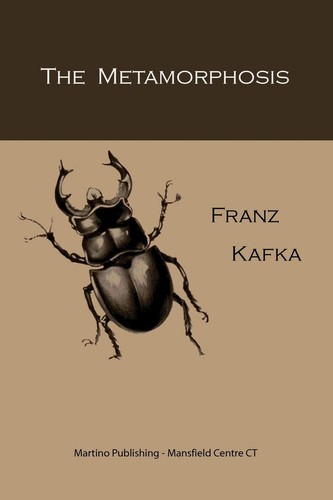
Metamorphosis and Other Stories
Se le invita a explorar *Metamorphosis and Other Stories* de Franz Kafka. Esta novela ofrece una experiencia literaria única de la obra de Kafka, publicada en 2002. Descubra esta obra y su contribución al panorama literario.

La Metamorfosis
Se le invita a considerar "La Metamorfosis", una novela de Franz Kafka publicada en 2004. En esta obra, encontrará el estilo narrativo distintivo de su creador. Esta novela le ofrece la oportunidad de interactuar con una pieza literaria específica de ese año.

The Zürau aphorisms of Franz Kafka
La novela de Franz Kafka de 2006, *The Zürau aphorisms of Franz Kafka*, te ofrece una oportunidad única para interactuar con profundas reflexiones filosóficas. Explorarás una serie de observaciones concisas sobre la existencia, el significado y la condición humana. Esta obra invita a una profunda contemplación sobre las preguntas fundamentales de la vida.

Letter to My Father
Se te presenta una exploración profundamente personal de una relación compleja. La narrativa profundiza en la intrincada dinámica entre un hijo y su padre. Obtendrás una visión del profundo impacto de los lazos familiares y las expectativas. Esta obra ofrece una ventana al mundo interior de su autor.

Cartas a Milena
Adéntrate en 'Cartas a Milena', una novela de Franz Kafka. Publicada en 2008, esta obra presenta una faceta íntima de la escritura del autor. Descubrirás las reflexiones que Kafka comparte en estas páginas.

Metamorphosis
Experimenta "Metamorphosis" de Franz Kafka. Esta novela te presenta la transformación súbita e inexplicable de un viajante de comercio. Serás testigo del profundo impacto que este cambio tiene en su vida personal y en la dinámica familiar. La narrativa explora temas de alienación y la respuesta humana a lo absurdo.

A metamorfose
Sumérjase en la icónica novela de Franz Kafka, "A metamorfose". Encontrará una narrativa que explora profundos temas de alienación y transformación. Prepárese para un viaje profundamente psicológico a la condición humana.
Letters to Milena
Te adentras en "Letters to Milena," una novela de Franz Kafka, publicada en 2018. Esta obra te ofrece una experiencia narrativa única de una figura fundamental en la literatura moderna. Prepárate para sumergirte en una historia que lleva la marca distintiva de su escritura influyente.

In the Penal Colony
La novela de Franz Kafka de 2018, "In the Penal Colony", le ofrece una experiencia literaria distintiva. Explorará una narrativa de un autor celebrado por su perspectiva única. Esta obra profundiza en su ambientación y personajes específicos.
Metamorfosis
La Metamorfosis es la obra más célebre de Franz Kafka, publicada originalmente en 1915. Gregor Samsa se despierta una mañana convertido en un insecto gigante. La historia de su transformación y el impacto en su familia es una de las alegorías más poderosas de la literatura moderna sobre la alienación, la identidad y la familia.

Diaries of Franz Kafka
En la novela de Franz Kafka de 2022, "Diaries of Franz Kafka," se te presenta una experiencia literaria única. Esta obra te invita a adentrarte en la mente de un escritor profundo. Encontrarás reflexiones y observaciones que dan forma a una narrativa distintiva.